






What's Happening?
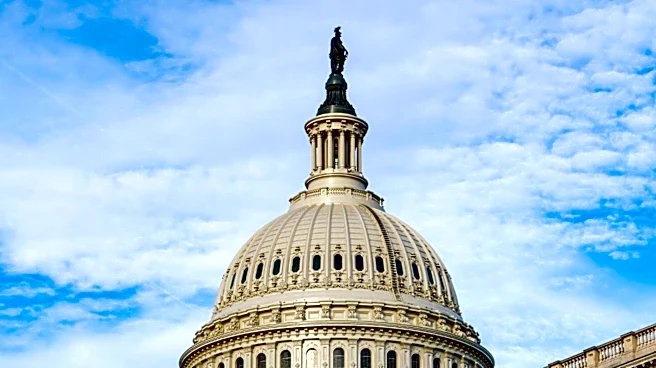
Veterans Education Success (VES) is urging the Senate to reject the Take Care of America’s Veterans Act (TCAVA) in its current form. This call comes after the House of Representatives passed the legislation via a rushed voice vote on Veterans Day, without
a recorded roll call. VES argues that TCAVA contains provisions that would weaken GI Bill safeguards, creating additional risks for veterans. Specifically, VES highlights concerns about Section 201(b), which would allow GI Bill funding for unaccredited, fully online trades programs, and Section 203, which would increase housing allowances for fully online summer programs lasting less than 12 weeks. VES also criticizes the bill for not including the Student Veteran Benefit Restoration Act, which would restore benefits to veterans affected by school fraud.
Why It's Important?
The passage of TCAVA in the House and the subsequent call for its rejection by Veterans Education Success underscore significant concerns regarding the protection of veteran education benefits. If enacted in its current form, TCAVA could expose veterans to predatory practices by allowing GI Bill funding for unaccredited online programs, particularly in sectors known for aggressive recruiting and poor outcomes. The increased housing allowances for online summer programs could also incentivize veterans away from higher-quality, in-person education. The absence of provisions to restore benefits for veterans defrauded by schools means that those who have already lost their earned education benefits would remain without recourse. This situation could lead to financial exploitation of veterans and a degradation of the value and integrity of the GI Bill program, impacting thousands of service members and their families.
What's Next?
Veterans Education Success is actively lobbying the Senate to prevent TCAVA from advancing. The organization expects the Senate to heed the long-standing opposition from student veteran advocates regarding the bill's problematic provisions. Key stakeholders, including veterans' advocacy groups and education organizations, will likely intensify their efforts to inform senators about the potential negative impacts of TCAVA. The House Veterans’ Affairs Committee leadership has been urged to reset the tone and return to bipartisan proceedings, emphasizing open debate, transparency, and trust on veterans’ issues. The future of TCAVA now rests with the Senate, which will need to decide whether to pass, amend, or reject the legislation, potentially facing significant pressure from veteran advocacy groups.
Beyond the Headlines
The controversy surrounding TCAVA highlights a recurring tension between legislative efficiency and the thorough vetting of bills that impact vulnerable populations. The rushed voice vote in the House, without a recorded roll call, raises questions about transparency and accountability in the legislative process, especially for legislation concerning veterans. This situation also brings to light the ongoing challenges in safeguarding federal education benefits from exploitation by unscrupulous institutions. The debate over TCAVA is not just about specific provisions but also about the broader commitment to protecting veterans from fraud and ensuring they receive quality education and support. It underscores the need for robust oversight and bipartisan collaboration to uphold the integrity of programs like the GI Bill, which are crucial for veterans' post-service success.