







What's Happening?
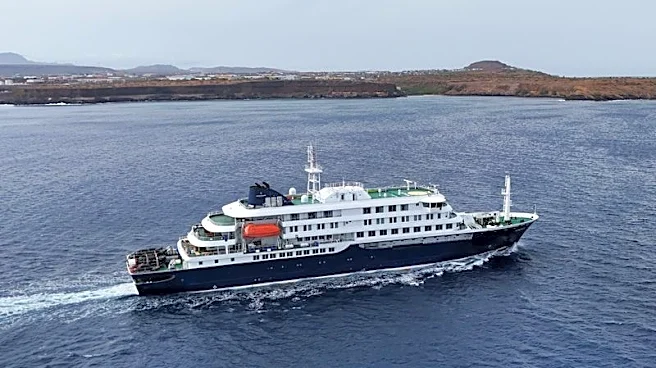
Officials in Arizona and Georgia are monitoring passengers from the MV Hondius cruise ship, which experienced a hantavirus outbreak. The World Health Organization (WHO) has confirmed five cases of hantavirus among the ship's passengers. Despite the outbreak,
the WHO has stated that the overall public health risk remains low, with limited person-to-person transmission. More than 100 passengers remain on the ship, and their health is being closely monitored. The situation is part of a broader effort by global health authorities to contain the disease and prevent further spread.
Why It's Important?
The monitoring of passengers in U.S. states highlights the interconnected nature of global health and the need for vigilance in tracking infectious diseases. The hantavirus outbreak on the cruise ship serves as a reminder of the potential for diseases to spread across borders through travel. The response by health officials in Arizona and Georgia is crucial in preventing a domestic outbreak and ensuring public safety. This situation underscores the importance of international cooperation and communication in managing public health threats. The outbreak also raises awareness about hantavirus and the need for preventive measures in travel and tourism industries.
What's Next?
Health officials will continue to monitor the health of passengers who have returned to the U.S. from the cruise ship. The WHO and other health organizations may issue further guidance on managing hantavirus outbreaks. There may be increased scrutiny and health checks for travelers from affected regions. The situation could lead to policy changes in how cruise ships and other travel industries handle infectious disease outbreaks. Public health campaigns may be launched to educate the public about hantavirus and its transmission.