






What's Happening?
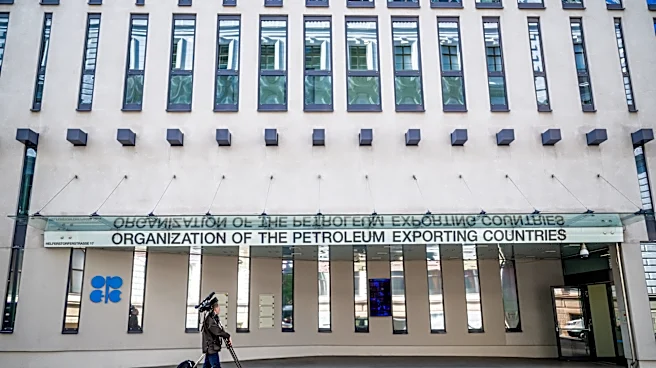
Turkey's military pension fund, Oyak, has emerged as a significant purchaser of Libyan crude oil, acquiring approximately 6 million barrels per month. This volume represents about 16% of Libya's total oil exports, according to OPEC data. Oyak initiated
these purchases in January and has steadily increased its intake. The transactions are facilitated through the state-run Turkish Petroleum International Company (TPIC), which sources the crude from Libya's National Oil Corporation (NOC). Istanbul-based Nakkas Holding has provided trading expertise to Oyak for these Libyan cargoes. This development aligns with Oyak's broader strategy to expand its energy operations, which include trading, extraction, and refining. The fund, managing a $34 billion portfolio, aims to nearly double its assets to $60 billion by 2030 and is reportedly in discussions with a major global company to further its energy ambitions.
Why It's Important?
Oyak's substantial involvement in purchasing Libyan crude oil signifies a deepening of commercial and strategic ties between Turkey and Libya. This move is part of Turkey's broader strategy to secure energy resources and expand its influence in the Mediterranean region, complementing its military presence and diplomatic efforts in Libya. For the U.S. and global energy markets, this development introduces a new significant player in the crude oil trading landscape, potentially altering traditional supply chains and pricing dynamics. The increased demand from a state-backed entity like Oyak could contribute to the stability of Libya's oil sector, but also raises questions about geopolitical alignments and energy security. The integration of Turkish state and private energy players, coupled with Oyak's ambitious growth targets, could lead to a repricing of capital across Turkish energy, logistics, and financial sectors tied to this trade.
What's Next?
Oyak's continued expansion in the energy sector, particularly its reported discussions with a major global company for a potential tie-up, suggests further consolidation and strategic partnerships in the oil and gas industry. The fund's goal to nearly double its assets by 2030 indicates a sustained push into energy activities. Turkey's broader engagement in Libya, including hydrocarbon exploration and a recently ratified maritime-boundary deal, points to increased Turkish investment and operational presence in the region. This could lead to more direct competition or collaboration with other international energy companies. The implications for global oil supply and demand will depend on the scale of Oyak's future operations and its ability to secure long-term agreements. The evolving geopolitical landscape in the Mediterranean, influenced by Turkey's actions, will also be a critical factor to watch.
Beyond the Headlines
The emergence of Oyak as a major buyer of Libyan oil reflects a growing trend of state-backed entities playing a more direct role in global commodity markets, often driven by national strategic interests beyond pure commercial gains. This intertwines energy security with foreign policy, as Turkey's military and diplomatic support for the internationally recognized government in Tripoli creates a favorable environment for its economic ventures. The involvement of a military pension fund in such large-scale energy trading also highlights the diversification of investment portfolios by institutional investors into critical infrastructure and resources. This could set a precedent for other nations or entities seeking to leverage economic power to achieve geopolitical objectives, potentially leading to a more complex and multi-polar global energy market. The ethical considerations around state-backed entities operating in politically sensitive regions, and the potential for these activities to influence regional conflicts, are also significant.