






What's Happening?
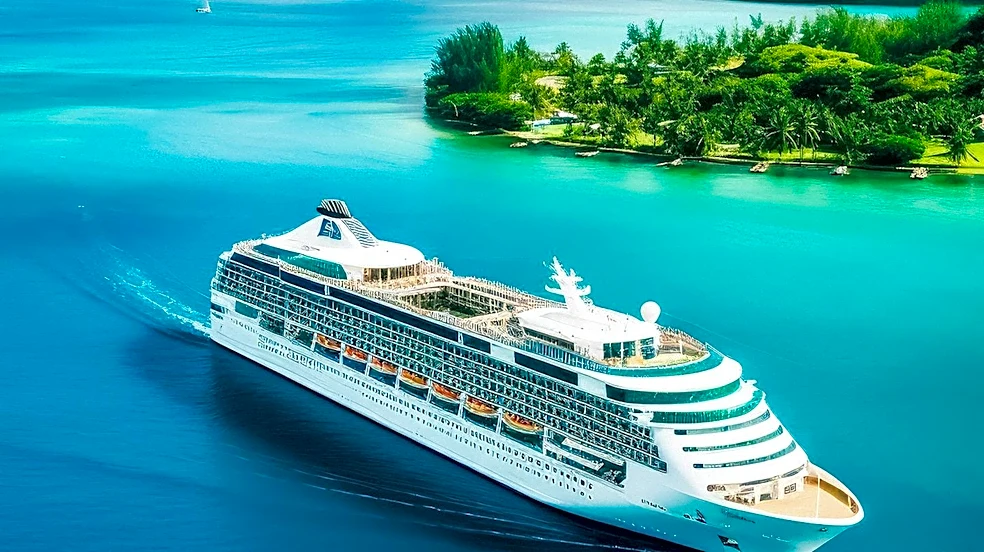
AAA forecasts that a record 22.4 million Americans will embark on domestic and international ocean cruises in 2027, marking a 3.6% increase over 2026. This projection continues a trend of rising cruise demand, which has surpassed pre-pandemic levels since
2023. In 2019, 14.2 million Americans cruised, a number expected to grow by 57% by 2027. The surge is attributed to cruising's convenience, perceived value, and variety of experiences offered. Many travelers are prioritizing shared experiences with family and friends, appreciating the upfront knowledge of vacation costs. Over 90% of U.S. cruise passengers rate their experience as good or very good, leading to strong repeat business, with 93% rebooking. Shorter cruises, six nights or less, are also gaining popularity, accounting for 45% of U.S. ocean cruise passengers in 2025, up from 39% in 2019, as travelers seek quick getaways without extended time away from routines.
Why It's Important?
This significant increase in cruise tourism has substantial implications for the U.S. travel industry and related sectors. The demand fuels growth for cruise lines, port cities, and associated businesses, particularly in Florida, home to the three busiest cruise ports globally: Miami, Port Canaveral, and Fort Lauderdale. The popularity of Caribbean cruises, preferred by 71% of U.S. passengers, drives investment in private islands and the deployment of mega-vessels, boosting regional economies. The trend towards shorter cruises also broadens the market, making vacations more accessible to individuals with limited time, potentially increasing overall travel frequency. Travel agents play a crucial role in this ecosystem, helping travelers navigate numerous options and ensuring suitable bookings, which underscores their continued relevance in a digital age. The economic impact extends to employment, local tourism, and ancillary services like transportation and hospitality in port areas.
What's Next?
The cruise industry is expected to continue its growth trajectory, with cruise lines likely to further invest in new ships, private island destinations, and diverse onboard amenities to meet escalating demand. The focus on shorter itineraries and value-driven packages will likely intensify to attract a wider demographic. Travel agents will remain key in assisting travelers with complex bookings, especially for milestone celebrations and multi-generational trips, and in advising on travel insurance options. Port cities, particularly in the Caribbean and Florida, will need to manage increased passenger volumes and infrastructure demands. Travelers are advised to book early, especially for popular destinations like Alaska, and to utilize cruise line apps for pre-trip planning. The industry will also likely continue to innovate in offering all-inclusive experiences to maintain its appeal of convenience and predictable costs.
Beyond the Headlines
The sustained growth in cruise vacations reflects a broader shift in consumer preferences towards experiential travel and value-conscious planning. The 'unpack once' convenience resonates with modern travelers seeking efficiency and relaxation without the logistical complexities of multi-destination land-based trips. This trend also highlights the psychological appeal of cruises as a 'floating resort' offering a curated, all-encompassing vacation experience. The high repeat booking rate suggests strong customer satisfaction and loyalty, indicating that cruise lines are effectively meeting traveler expectations. Furthermore, the increasing popularity of shorter cruises points to a desire for more frequent, albeit brief, escapes, adapting to contemporary work-life balances. This could lead to a re-evaluation of traditional vacation models, emphasizing accessibility and immediate gratification over extended, infrequent journeys.