



What's Happening?
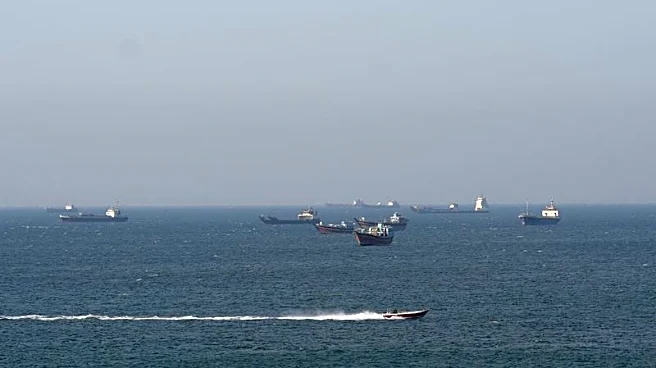
President Trump recently declared that the Strait of Hormuz was 'COMPLETELY OPEN AND READY FOR BUSINESS,' but soon after accused Iran of violating the ceasefire by firing in the same waters. This sequence of events has led to U.S. forces reportedly seizing
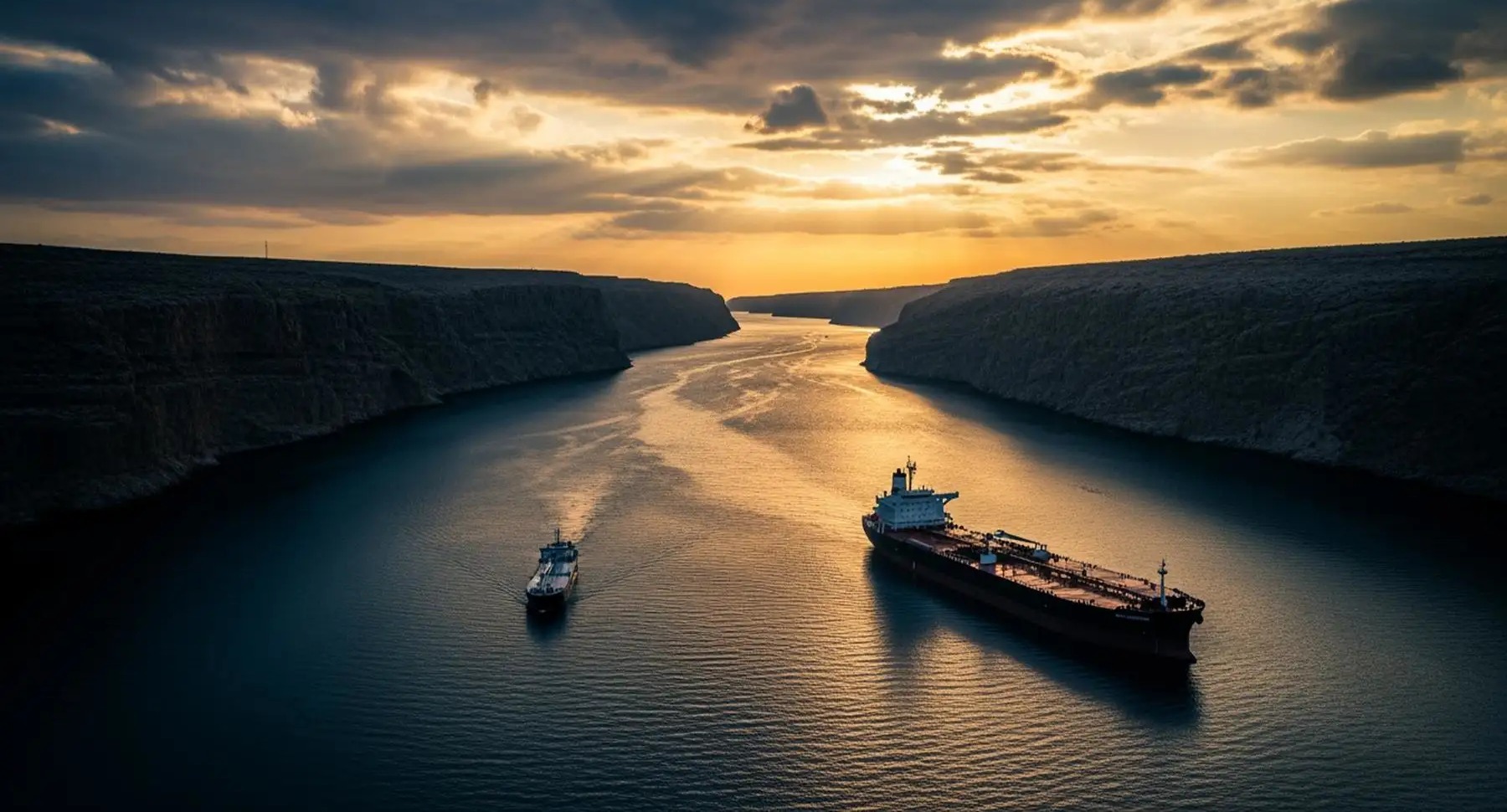
an Iranian-flagged vessel attempting to cross the strait. Trump has indicated that it is 'highly unlikely' he will extend the two-week ceasefire, which is set to expire on Wednesday, without a deal. The situation highlights the complexities and rapid developments in the ongoing conflict between the U.S. and Iran, particularly concerning the strategic Strait of Hormuz, a critical passage for global oil shipments.
Why It's Important?
The Strait of Hormuz is a vital chokepoint for the global oil supply, and any disruption can have significant economic repercussions worldwide. The tensions between the U.S. and Iran in this region could lead to increased volatility in oil markets, affecting prices and potentially leading to broader economic instability. The actions taken by President Trump and the U.S. military could further strain diplomatic relations and impact international trade. The situation underscores the importance of diplomatic efforts to maintain stability in the region and prevent escalation that could have far-reaching consequences for global energy security.
What's Next?
With the ceasefire set to expire soon, the next steps will likely involve intense diplomatic negotiations to prevent further escalation. Major stakeholders, including international organizations and allied nations, may push for renewed talks to ensure the Strait of Hormuz remains open and secure. The U.S. administration's decisions in the coming days will be crucial in determining the direction of the conflict and its impact on international relations. Observers will be watching closely for any signs of compromise or further military actions that could alter the current dynamics.
Beyond the Headlines
The ongoing conflict and the strategic importance of the Strait of Hormuz highlight broader geopolitical tensions involving the U.S., Iran, and other regional powers. The situation may also reflect deeper issues related to global energy dependence and the need for alternative energy sources to reduce reliance on oil from conflict-prone regions. Additionally, the role of social media and public statements by political leaders in shaping perceptions and narratives around such conflicts is an area of growing concern, as misinformation can exacerbate tensions and complicate diplomatic efforts.