
What's Happening?
Global desertification is increasingly turning fertile lands into barren deserts, affecting economies, food security, and social stability worldwide. This environmental crisis is creating millions of environmental migrants
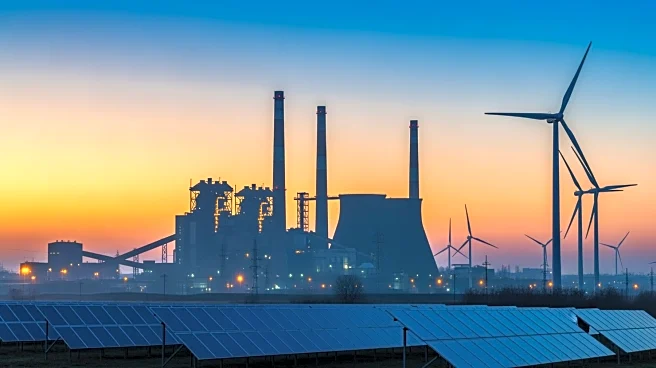
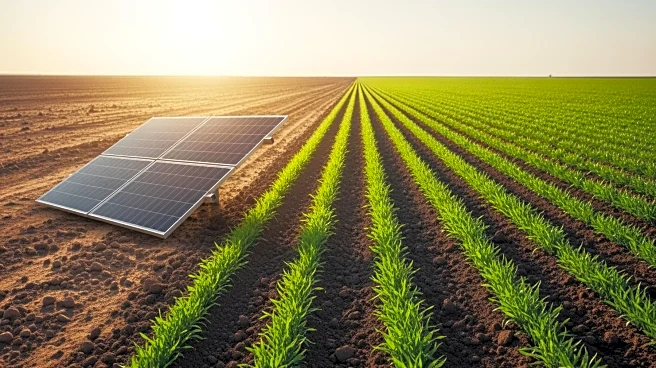
and pressuring governments to find urgent solutions. Scientific projects demonstrate that desertification can be slowed or even reversed in specific areas by integrating science, renewable energy, and traditional agricultural techniques. However, the financial, energy, and political costs of these projects are significant, making widespread implementation challenging. In regions like the Kubuqi Desert in China, reforestation efforts have successfully transformed dunes into green areas, improving air quality and restoring economic activities. Meanwhile, large solar and wind farms are being considered as potential tools to alter climate patterns and increase rainfall in arid regions, although their high costs and logistical challenges remain barriers.
Why It's Important?
The acceleration of global desertification poses a significant threat to global food security and economic stability, particularly in regions heavily reliant on agriculture. The displacement of populations due to land degradation can lead to increased migration pressures and potential conflicts over resources. The integration of renewable energy and traditional agricultural techniques offers a promising solution to mitigate these impacts, but requires substantial investment and international cooperation. Successful projects, like those in China, demonstrate the potential for reversing environmental degradation, which could serve as models for other regions. However, the high costs and resource demands of these initiatives highlight the need for strategic planning and prioritization to prevent further soil degradation and ensure sustainable land use.
What's Next?
Future efforts to combat desertification will likely focus on scaling successful projects and integrating renewable energy solutions with traditional agricultural practices. Governments and international organizations may need to increase funding and support for research and development in this area. Additionally, policies aimed at reducing deforestation and promoting sustainable land use will be crucial in preventing further degradation. Collaboration between countries facing similar challenges could lead to shared solutions and innovations. Monitoring and adapting to the impacts of climate change will also be essential in developing effective strategies to combat desertification.
Beyond the Headlines
The fight against desertification involves complex ethical and cultural considerations, as it affects indigenous communities and traditional ways of life. Balancing technological advancements with respect for local knowledge and practices is crucial. The potential for renewable energy to alter local climates raises questions about unintended environmental impacts and the need for careful planning. Long-term success will depend on creating sustainable systems that do not deplete natural resources or create new ecological imbalances.