




What's Happening?
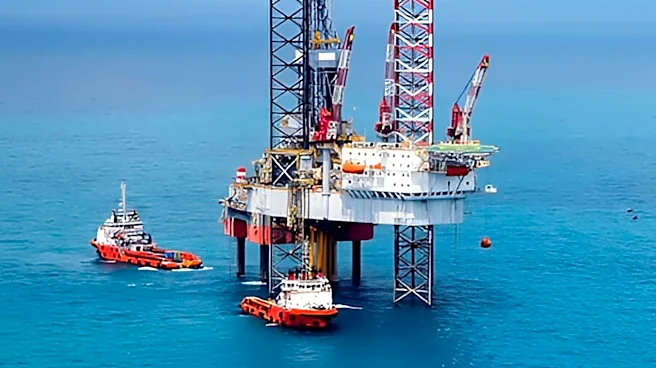
The UK government is facing a significant decision regarding the approval of new oil and gas drilling projects in the North Sea, specifically at the Rosebank and Jackdaw sites. These projects have sparked intense debate over their environmental impact
and economic benefits. Rosebank, located off the Shetland coast, contains a substantial amount of oil and gas, while Jackdaw is a gas field near Aberdeen. The government must balance the need for energy security and economic benefits against the environmental impact and the UK's commitment to reducing carbon emissions. The decision comes amid a backdrop of increasing climate change concerns and the need for a transition to renewable energy sources.
Why It's Important?
The decision on whether to proceed with drilling at Rosebank and Jackdaw has significant implications for the UK's energy policy and climate commitments. Approving these projects could undermine efforts to reduce carbon emissions and transition to renewable energy, potentially affecting the UK's ability to meet its climate targets. On the other hand, proponents argue that domestic oil and gas production could enhance energy security and provide economic benefits. The outcome of this decision will signal the government's priorities in balancing economic growth with environmental sustainability, influencing future energy policies and international climate commitments.
What's Next?
The UK government is expected to announce its decision on the Rosebank and Jackdaw projects soon. If approved, these projects could face legal challenges from environmental groups, potentially delaying their implementation. The decision will also likely prompt discussions on the future of the UK's energy policy, including the role of fossil fuels and the transition to renewable energy. Stakeholders, including environmental organizations, industry groups, and policymakers, will continue to debate the best path forward for the UK's energy future.