







What's Happening?
Austin, Texas, is set to receive $6.4 million from Airbnb to support an affordable housing project in the St. Johns redevelopment area. This funding is part of Airbnb's new accelerator program, which commits $250 million nationwide to provide 'last-dollar
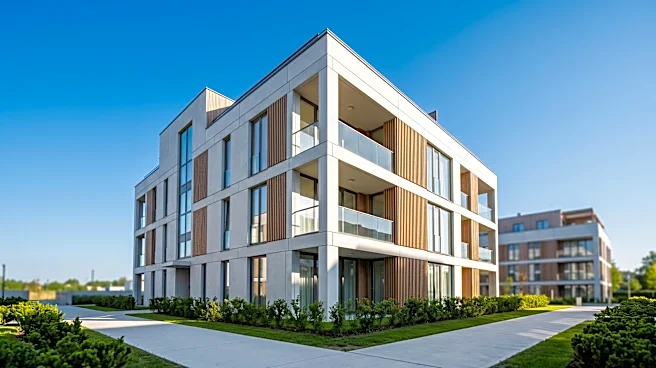
financing' for housing developments facing financial gaps. Airbnb cofounder and CEO Brian Chesky stated that this initiative aims to unblock approximately 750,000 housing units across the country that are stalled due to a lack of final funding. The $6.4 million investment in Austin will contribute to the St. Johns project, a 19-acre mixed-use development that will include over 500 housing units, with a portion designated as affordable. Council Member José "Chito" Vela emphasized that Airbnb will not receive any incentives or deals from the city for this program, and Austin's existing stronger regulations for short-term rentals will remain in place.
Why It's Important?
This investment marks a significant step for Airbnb into the realm of affordable housing development, signaling a potential shift in its corporate social responsibility efforts and its relationship with local governments. By providing 'last-dollar financing,' Airbnb aims to directly address a critical barrier to housing construction, which could accelerate the completion of numerous affordable housing projects nationwide. For Austin, the $6.4 million will help bridge a funding gap for the St. Johns project, moving the city closer to its affordable housing goals, which include building 135,000 new apartments over ten years, with half designated for families earning under $65,000 annually. This initiative could foster improved partnerships between technology companies and municipalities, demonstrating a model where private sector resources are leveraged to tackle public challenges like housing affordability, without necessarily seeking direct financial incentives or changes to existing regulations.
What's Next?
The St. Johns redevelopment project, which began construction earlier this summer, is expected to be completed by 2028, with Airbnb's funding playing a crucial role in its progress. As Austin is the first city to receive funding through this new accelerator program, its success could serve as a blueprint for other cities across the U.S. Airbnb's commitment of $250 million nationally suggests that similar investments in affordable housing projects will follow in other communities. This initiative could encourage other large corporations to engage in similar 'last-dollar financing' models to address housing shortages. The program's effectiveness will likely be monitored closely by urban planners, housing advocates, and policymakers, as it represents an innovative approach to overcoming financial hurdles in affordable housing development. The ongoing collaboration between Airbnb and the City of Austin, particularly given the city's strict short-term rental rules, could also set a precedent for how companies and cities can work together on broader community issues.
Beyond the Headlines
Airbnb's foray into affordable housing financing represents a deeper engagement with urban policy challenges, moving beyond its traditional role as a short-term rental platform. This initiative could be seen as an attempt to mend relationships with cities that have often viewed Airbnb as contributing to housing affordability issues. By directly investing in affordable housing, Airbnb is addressing a systemic problem that impacts urban communities, potentially enhancing its public image and demonstrating a commitment to sustainable urban development. This move also highlights the evolving role of private companies in addressing societal needs that traditionally fall under government purview. The ethical implications involve whether such corporate philanthropy can genuinely offset the perceived negative impacts of their core business models, and how these partnerships can be structured to ensure long-term community benefit without undue corporate influence on local policy.