








What's Happening?
The 'From Lab to Market Challenge 2026' recently concluded, celebrating innovative science-based start-ups from German universities and research institutes. ExæRe, led by CEO Yelda Nur Demirdöğen, emerged as the winner with its groundbreaking technology
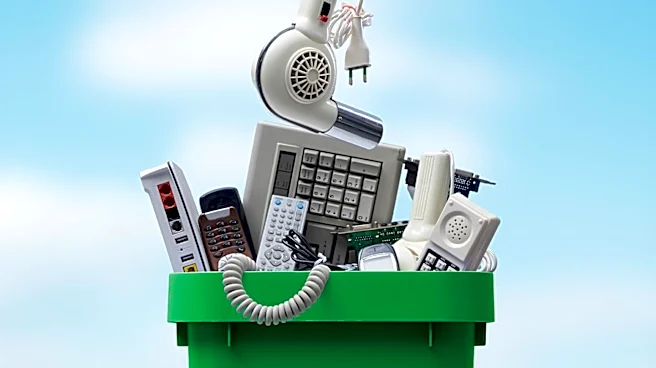
for recovering rare earth elements from electronic waste. The competition, now in its fifth year, aims to facilitate the transition of scientific discoveries from research labs to commercial applications. Other notable participants included ESILIB and CarboNano.EU, which secured second and third places, respectively. The event also featured a public vote, contributing to the final decision, and ReduCO2 received a special award for innovation. The challenge underscores the importance of collaboration between academia, start-ups, and industry to transform scientific excellence into successful business ventures.
Why It's Important?
The recognition of ExæRe's technology highlights the growing importance of sustainable practices in managing electronic waste, a significant environmental concern. Rare earth elements are critical components in various high-tech applications, and their recovery from e-waste can reduce dependency on traditional mining, which is often environmentally damaging. This innovation not only addresses environmental sustainability but also has economic implications, potentially reducing costs and increasing the availability of these valuable materials. The event emphasizes the role of start-ups in driving technological advancements and the necessity of partnerships to bring these innovations to market. Such developments could influence policies and practices in waste management and resource recovery, impacting industries reliant on rare earth elements.
What's Next?
Following the award, ExæRe is likely to seek further partnerships and funding to scale its technology for broader commercial use. The success of such technologies could prompt increased investment in similar sustainable initiatives, encouraging more start-ups to focus on environmental solutions. Policymakers might also take note, potentially leading to supportive regulations and incentives for e-waste recycling and resource recovery. The broader industry may see a shift towards more sustainable practices, driven by both economic and environmental benefits. As these technologies mature, they could significantly alter the landscape of resource management and environmental conservation.
Beyond the Headlines
The development and recognition of e-waste recycling technologies like ExæRe's could have long-term cultural and ethical implications. As awareness of environmental issues grows, consumers and companies may increasingly prioritize sustainability, influencing purchasing decisions and corporate strategies. This shift could lead to a cultural change where sustainability becomes a core value in both personal and business contexts. Additionally, the ethical considerations of resource extraction and waste management may gain prominence, prompting more transparent and responsible practices across industries.