








What's Happening?
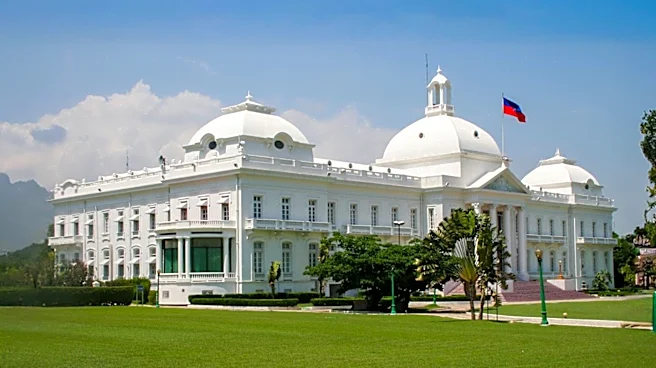
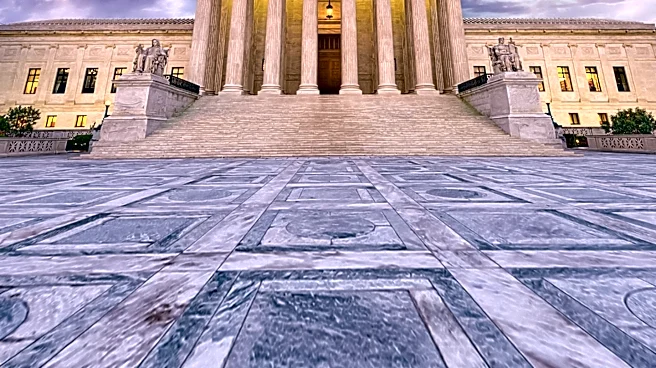
The U.S. Supreme Court has ruled in favor of the Trump administration's decision to end Temporary Protected Status (TPS) for approximately 350,000 Haitians and several thousand Syrians. This decision, made in a 6-3 vote, allows the administration to terminate
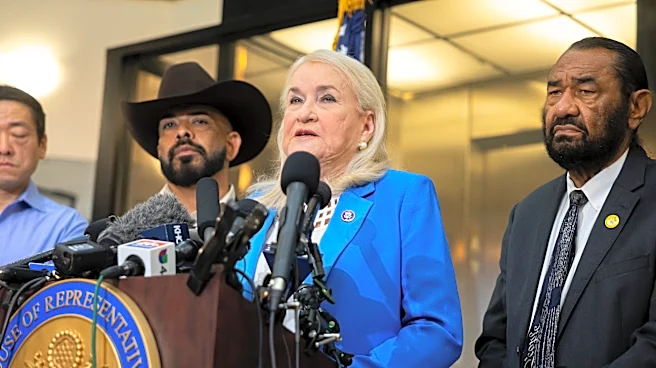
TPS protections, which critics argue could expose immigrants to dangerous conditions in their home countries. The ruling limits the ability of federal courts to review TPS designation decisions by the Department of Homeland Security (DHS). The decision has sparked concern among immigration advocates, who argue that many of the affected countries still face severe humanitarian, economic, and security challenges.
Why It's Important?
The Supreme Court's decision has significant implications for the future of TPS and the lives of those who rely on it. TPS holders, many of whom have lived in the U.S. for years, face losing their legal status, work permits, and protection from deportation. This could lead to economic and social disruptions as these individuals are integral members of their communities, contributing to various sectors, including healthcare. The ruling also underscores the broad authority of the DHS in determining TPS status, potentially affecting over a million people from various countries. The decision highlights the need for comprehensive immigration reform to provide legal pathways for long-term residents.
What's Next?
With the Supreme Court's ruling, the Trump administration is expected to proceed with ending TPS for other countries, potentially affecting more than a million people. Immigration advocates are likely to continue legal challenges and push for legislative solutions to protect TPS holders. The decision may also prompt discussions on the broader implications of U.S. immigration policy and its humanitarian responsibilities. As TPS designations expire, affected individuals will face difficult choices about their future, including the possibility of returning to unstable and dangerous conditions in their home countries.