







What's Happening?
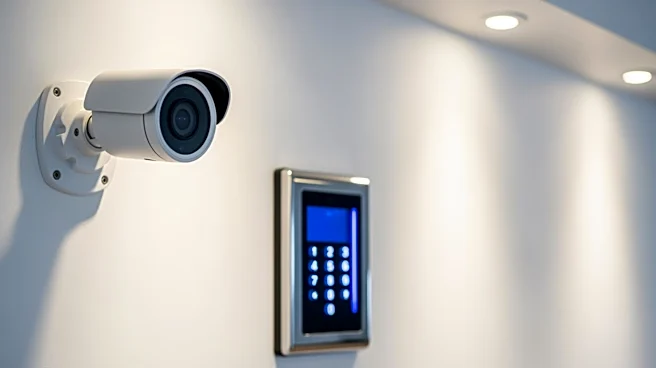
Schools across the United States are increasingly investing in advanced security technologies to enhance safety measures on campuses. According to a recent survey by the EdWeek Research Center, schools are adopting various tech-enabled security systems,
including chemical and acoustic monitoring devices, AI-enabled security cameras, and passive screening systems. These technologies aim to detect medical emergencies, firearms, and fights, with some schools even piloting drones capable of emitting high-pitched noises and deploying nonlethal pepper balls. The survey, which included responses from district leaders and school principals, highlights a growing trend towards integrating technology in school safety strategies. Despite the potential benefits, there are concerns about the reliability of these technologies, as past incidents have shown AI systems misidentifying harmless objects as weapons.
Why It's Important?
The adoption of advanced security technologies in schools is significant as it reflects a proactive approach to addressing the ongoing threat of school shootings and violence. By investing in these systems, schools aim to create safer environments for students and staff. However, the reliance on technology also raises questions about privacy, the potential for errors, and the ethical implications of surveillance in educational settings. The effectiveness of these technologies in preventing incidents and their impact on the school climate are critical considerations for policymakers and educators. The trend also underscores the broader societal challenge of balancing safety with civil liberties, as schools navigate the complexities of implementing these systems.
What's Next?
As schools continue to explore and implement these technologies, ongoing evaluation and adaptation will be crucial. Stakeholders, including educators, parents, and policymakers, will need to assess the effectiveness and ethical implications of these systems. Future developments may include refining AI algorithms to reduce errors and exploring additional measures to complement technological solutions, such as enhancing student support services and fostering a positive school climate. The conversation around school safety is likely to evolve, with potential legislative actions and funding decisions influencing the direction of security strategies in educational institutions.