




What's Happening?
Sunshine Residential Homes, Arizona's largest group home provider, has not faced penalties following the 2022 death of 9-year-old Jakob Blodgett, who died from complications of Type 1 diabetes after missing insulin doses. An employee had texted a supervisor
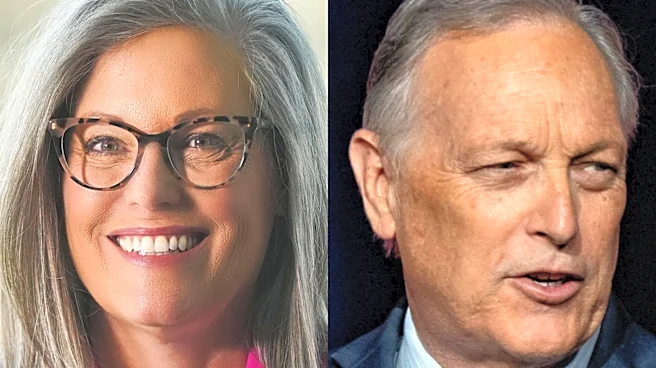
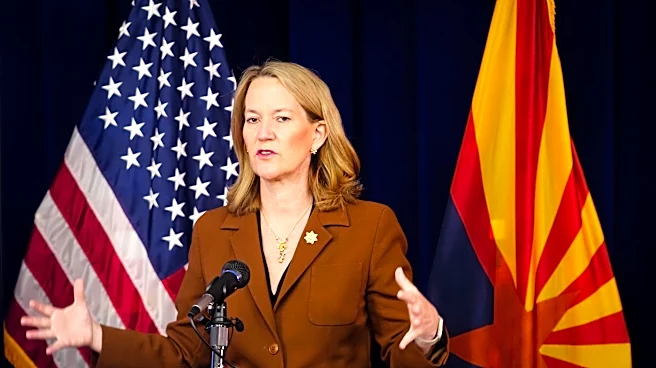
about Blodgett's elevated blood-glucose reading, receiving instructions to give him water but no guidance on insulin. The Arizona Department of Child Safety issued a licensing violation against Sunshine Residential Homes two weeks before approving a 30% rate increase for the company in May 2023. The state did not fine the company or suspend its license. This situation has become a focal point in the reelection campaign of Democratic Governor Katie Hobbs, with Republican challenger U.S. Rep. Andy Biggs making it a central issue. Records indicate that Sunshine Residential Homes made $550,000 in political contributions, including $100,000 to Hobbs' inaugural fund and $150,000 to her legal defense fund. While the Arizona Attorney General found no evidence of bribery, concluding the rate increases were due to the provider's significant leverage, a separate investigation by the state auditor general's office and Maricopa County Attorney Rachel Mitchell is ongoing. The Maricopa County Sheriff’s Office is also conducting a criminal investigation into Blodgett’s death, though no charges have been filed.
Why It's Important?
This incident highlights critical issues within Arizona's congregate-care system for children, particularly concerning the oversight of providers and the training of staff. The lack of penalties for Sunshine Residential Homes, despite a child's death and a licensing violation, raises questions about accountability and the effectiveness of state regulatory bodies. The controversy also underscores the potential influence of political donations on state decisions, as the rate increase for Sunshine Residential Homes followed significant contributions to Governor Hobbs. This situation could erode public trust in government transparency and fairness, especially when vulnerable populations like children in foster care are involved. The ongoing investigations and the use of this issue as campaign fodder by U.S. Rep. Andy Biggs suggest that the scandal could have significant political ramifications, potentially impacting Governor Hobbs' reelection bid and leading to increased scrutiny of campaign finance and lobbying practices within the state. Furthermore, the reliance on large providers like Sunshine Residential Homes, which can leverage their size to influence state decisions, points to systemic challenges in ensuring adequate care and preventing tragedies.
What's Next?
The ongoing investigations by the state auditor general's office and Maricopa County Attorney Rachel Mitchell will likely determine if further actions or charges will be pursued against Sunshine Residential Homes or individuals involved. The Maricopa County Sheriff’s Office's criminal investigation into Blodgett’s death could also lead to charges. Politically, U.S. Rep. Andy Biggs is expected to continue using this scandal as a key element in his campaign against Governor Hobbs, potentially intensifying public debate and calls for reform. The outcome of these investigations and the political discourse surrounding them could prompt legislative changes aimed at improving oversight, accountability, and staff training within Arizona's child welfare system. There may also be increased pressure on the Arizona Department of Child Safety to review its policies regarding licensing violations, penalties, and the process for approving rate increases for care providers. The wrongful death lawsuit filed by Blodgett's family against Sunshine Residential Homes is also active and will proceed, potentially shedding more light on the circumstances of his death and the company's practices.
Beyond the Headlines
The deeper implications of this case extend to the ethical responsibilities of large care providers and the systemic vulnerabilities within state-run child welfare programs. The argument that Sunshine Residential Homes' leverage, rather than political favors, led to the rate increase, highlights a broader issue where essential service providers can exert significant influence due to their indispensable role. This dynamic can create a situation where the state is hesitant to impose strict penalties, even in cases of severe negligence, for fear of disrupting critical services. This incident also brings to light the challenges of ensuring adequate medical care for children with complex health needs within group home settings, particularly when staff may lack specialized training. The claim that Blodgett refused medication, countered by his family's attorney, underscores the difficulty in establishing accountability and the potential for blame-shifting in such tragic circumstances. Ultimately, this case could serve as a catalyst for a reevaluation of how states balance the need for care capacity with rigorous oversight and accountability for the well-being of vulnerable children.