




What's Happening?
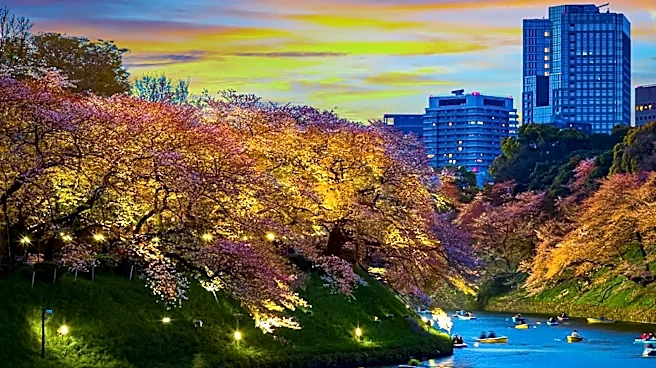
Japan offers distinct travel experiences depending on the season, with spring and autumn being the most popular. Spring, from March to May, is renowned for its cherry blossoms, particularly from late March to early April in major cities like Tokyo and Kyoto.
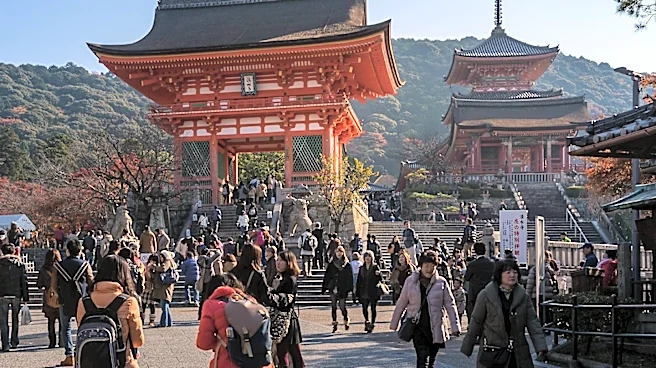
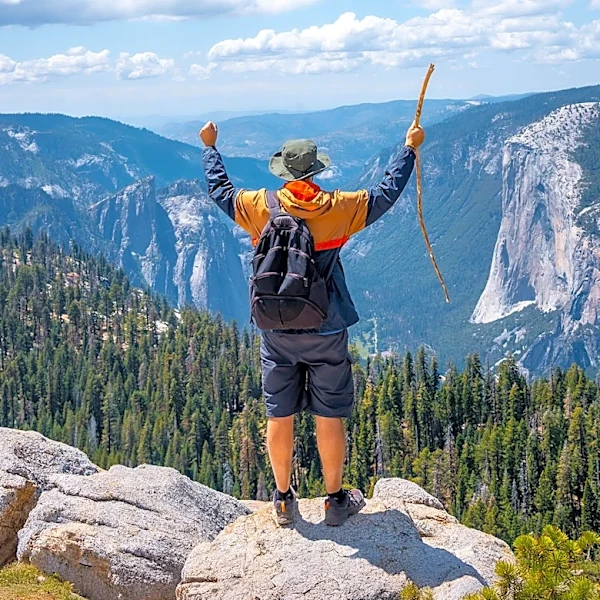
Beyond cherry blossoms, April and May feature other flowers such as wisteria and nemophila, alongside fresh greenery. Autumn, spanning September to November, is celebrated for its vibrant foliage, including red maple leaves and golden ginkgo. Peak viewing for autumn colors occurs in October for mountain areas like Nikko and late November for Kyoto. Both seasons offer unique scenic beauty and outdoor activities, with spring focusing on flower viewing and autumn on hiking and mountain walks. Travelers are advised to consider weather, crowd levels, and costs, as peak seasons can lead to higher prices and larger crowds in popular destinations.
Why It's Important?
The seasonal variations in Japan's tourism offerings significantly impact travel planning and the visitor experience. The allure of cherry blossoms in spring and colorful foliage in autumn drives substantial international tourism, contributing to Japan's economy. Understanding these seasonal differences allows travelers to tailor their trips to specific interests, whether it's photography, hiking, or cultural sightseeing. The high demand during peak seasons also influences local businesses, from hospitality to transportation, leading to increased revenue but also potential overcrowding. For first-time visitors, the choice between spring and autumn often dictates the visual and atmospheric essence of their trip, shaping their perception of Japan's natural beauty and cultural landscapes. This seasonal tourism also highlights the importance of sustainable travel practices to manage the influx of visitors during popular periods.
What's Next?
Travelers planning future trips to Japan will continue to weigh the distinct advantages of spring and autumn. Tour operators and travel agencies will likely continue to offer specialized packages catering to both cherry blossom viewing and autumn foliage tours. As tourism evolves, there may be increased efforts to promote shoulder seasons or less-visited regions to distribute tourist traffic more evenly throughout the year and across different locations. Additionally, with changing climate patterns, the timing of cherry blossoms and autumn leaves could shift, requiring travelers and the tourism industry to adapt their planning and predictions. The ongoing development of travel infrastructure and services will also aim to accommodate the consistent demand for seasonal tourism experiences in Japan.
Beyond the Headlines
The seasonal appeal of Japan extends beyond mere aesthetics, deeply influencing cultural practices and local economies. The transient beauty of cherry blossoms, or 'sakura,' holds profound cultural significance, symbolizing the ephemeral nature of life in Japanese philosophy. Similarly, the vibrant autumn colors inspire art, poetry, and traditional festivals. The economic impact of these seasons is substantial, supporting countless small businesses and artisans who cater to tourists. However, the concentration of tourism in these peak periods also raises questions about environmental sustainability and the preservation of local communities. Balancing the economic benefits with the need to protect natural landscapes and cultural heritage remains a critical challenge for Japan's tourism sector, prompting discussions on responsible tourism and visitor management strategies.