










What's Happening?
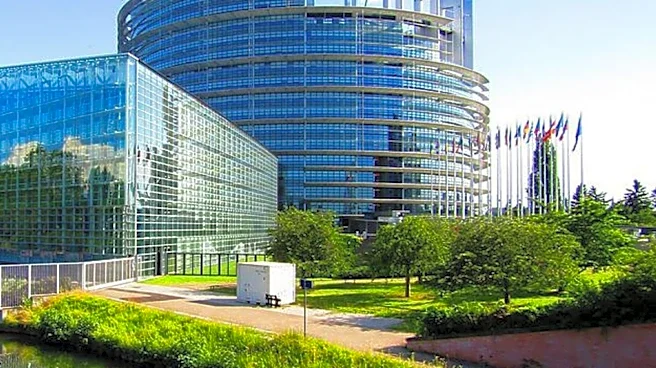
The European Union has identified compliance issues in Pakistan's adherence to the Generalised Scheme of Preferences Plus (GSP+) obligations. The EU's report highlights concerns over human rights, labor rights, and environmental commitments. While acknowledging
some legislative progress, the EU stresses the need for tangible improvements on the ground. The report emphasizes the importance of addressing human rights violations, enforced disappearances, and freedom of expression to maintain GSP+ benefits.
Why It's Important?
Pakistan's GSP+ status provides preferential access to the EU market, crucial for its export-driven economy. The EU's concerns, if unaddressed, could jeopardize this status, affecting Pakistan's economic growth and trade relations. The report underscores the need for Pakistan to enhance its human rights and governance standards to continue benefiting from the GSP+ arrangement. This situation highlights the broader challenges developing countries face in balancing economic growth with international compliance.
What's Next?
Pakistan will need to implement significant reforms to address the EU's concerns and retain its GSP+ status. This includes improving human rights conditions, labor rights, and environmental protections. The EU will continue to monitor Pakistan's progress, with the revised GSP framework set to take effect in 2027. Failure to comply could lead to a reassessment of Pakistan's trade privileges, impacting its economic stability and international relations.