



What's Happening?
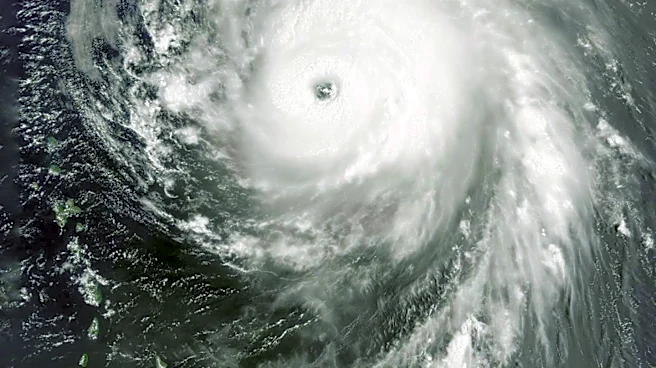
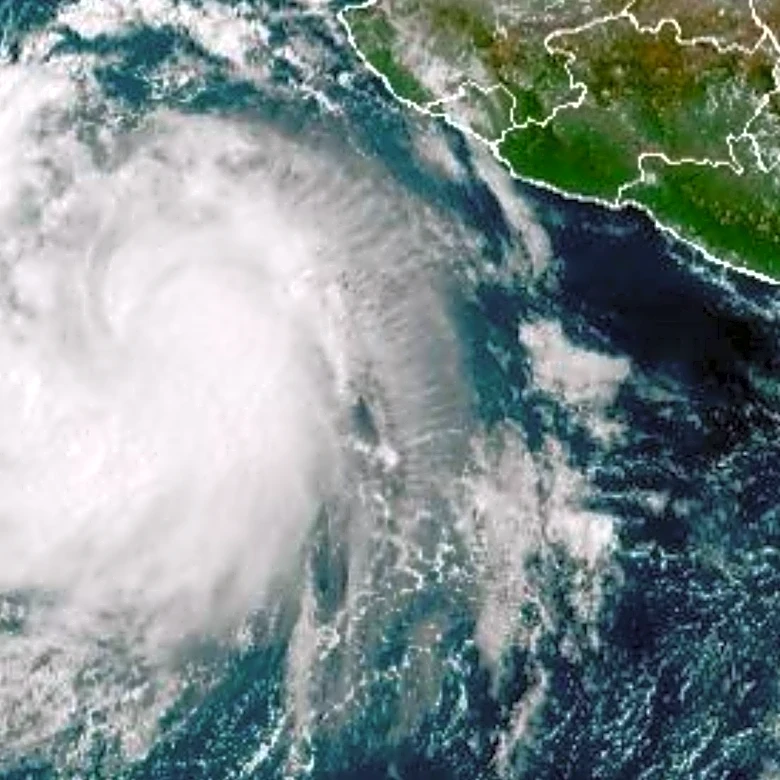
The Kenyan government has issued an alert for 18 counties at risk of being affected by a strong El Nino event expected to bring above-normal rainfall from October. The National Disaster Operations Centre has identified regions including the Coastal, Lake
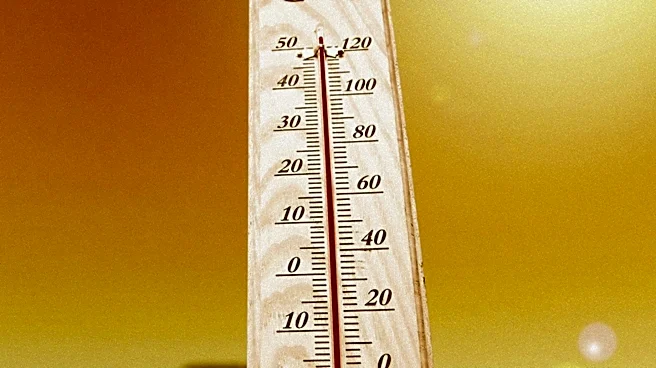
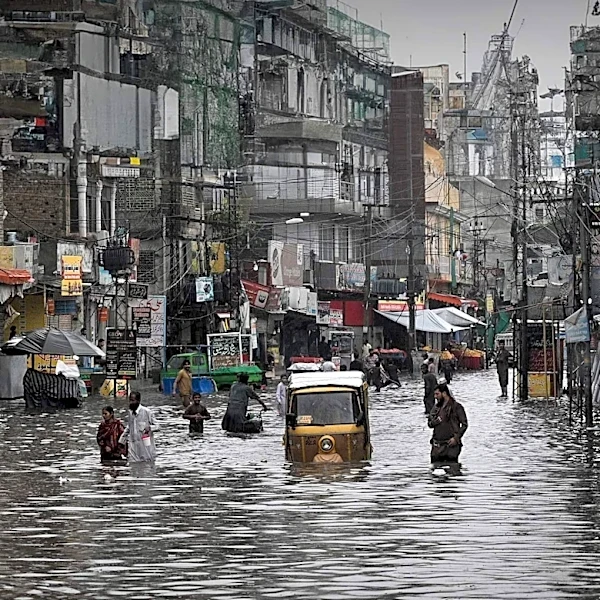
Basin, Rift Valley, and North Eastern areas as high-risk zones. Urban centers like Nairobi, Mombasa, and Kisumu are also on high alert due to potential flooding, infrastructure strain, and service disruptions. The government has mapped out areas vulnerable to flash floods, landslides, drought, and disease outbreaks, and is preparing response plans to mitigate these risks.
Why It's Important?
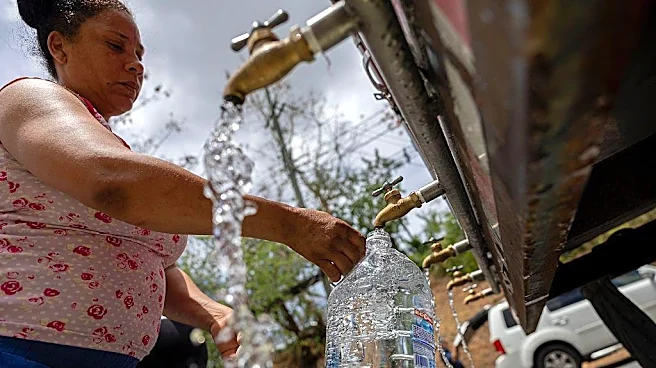
The anticipated El Nino event poses significant risks to Kenya's infrastructure, agriculture, and public health. Flooding and landslides could lead to displacement, damage to property, and loss of life, while drought conditions in some regions may exacerbate food insecurity and water scarcity. The government's proactive measures are crucial in minimizing the impact on affected communities and ensuring a coordinated response to potential disasters. The situation underscores the importance of disaster preparedness and climate resilience in mitigating the effects of extreme weather events.
What's Next?
The National Emergency Multi-Agency and County Emergency response teams have been put on high alert and are being trained on their roles in anticipation of the expected weather conditions. The government may expand its response plans to include additional areas if deemed vulnerable by experts. Continuous monitoring of weather patterns and collaboration with international agencies for support and resources will be essential in managing the situation effectively.