





What's Happening?
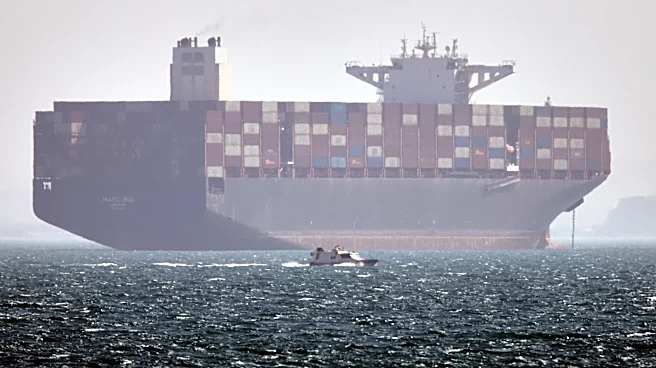
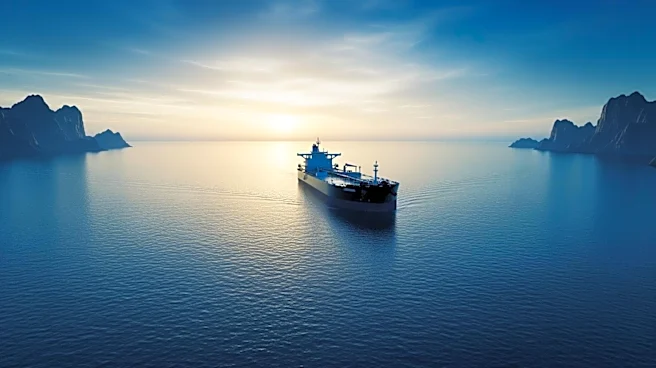
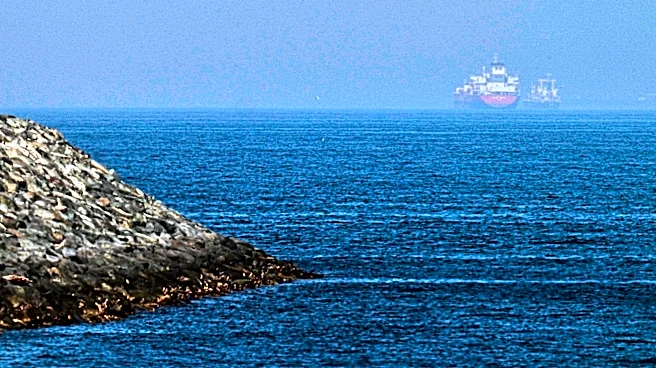
The United Arab Emirates (UAE) has managed to transport oil tankers through the Strait of Hormuz, despite threats from Iran to attack any vessel crossing the strait without its permission. According to experts and shipping data, the UAE's Abu Dhabi National
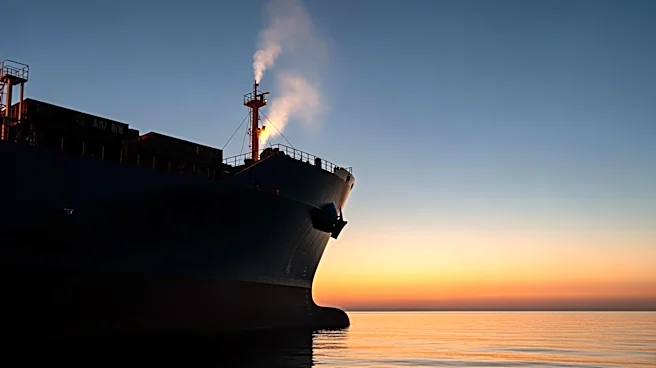
Oil Co exported at least 6 million barrels of crude in April using four tankers. These tankers either transferred their cargo to other vessels bound for Southeast Asia, docked in Oman, or sailed directly to refineries in South Korea. The tankers reportedly turned off their automatic identification system transponders to avoid detection by Iran, a tactic often used by Iran's own fleet to evade U.S. sanctions. This maneuver highlights the risks that producers and buyers are willing to take to maintain oil sales in the region.
Why It's Important?
The successful navigation of UAE oil tankers through the Strait of Hormuz is significant due to the strategic importance of this waterway, which is a critical chokepoint for global oil shipments. The ability of the UAE to bypass Iranian threats and continue its oil exports underscores the ongoing geopolitical tensions in the region, particularly between Iran and its neighbors. This development could impact global oil prices and supply chains, as any disruption in the Strait of Hormuz can have far-reaching consequences for international markets. Additionally, the use of tactics to evade detection raises questions about maritime security and the enforcement of international sanctions.
What's Next?
The situation in the Strait of Hormuz remains tense, with potential for further confrontations between Iran and countries attempting to navigate the strait. The international community may need to address the security of this vital shipping route to prevent further escalation. Additionally, oil companies and governments may seek alternative routes or methods to ensure the safe transport of oil, which could involve diplomatic negotiations or increased military presence in the region. The response from Iran to these maneuvers will be closely watched, as it could influence future maritime strategies and regional stability.