








What's Happening?
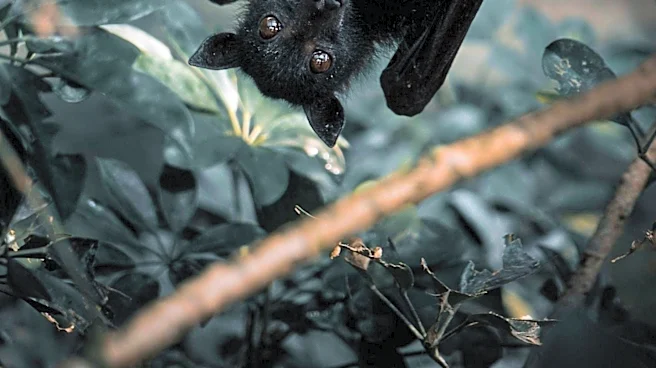
A six-year-old girl named Cece Kale was bitten by a rabid bat while climbing a tree outside her family's home in Tigerton, Wisconsin. The incident occurred on June 23, and the bat wrapped its wings around Cece's leg, prompting her to scream for help.
Her brother managed to kill the bat with a makeshift sword. The bat was confirmed to have rabies, and Cece began a series of four rabies shots. This incident is one of the first rabid bat cases in the county in over a year. Health officials emphasize the importance of cleaning any bite area with soap and water and seeking immediate medical attention.
Why It's Important?
The incident highlights the rare but serious risk of rabies from wildlife encounters, particularly with bats. Rabies is a fatal virus if not treated promptly, making awareness and immediate medical response crucial. This case underscores the importance of public health advisories about avoiding contact with bats and other wildlife. It also serves as a reminder of the need for vigilance in monitoring wildlife for rabies, which can have significant public health implications. The situation also stresses the importance of educating the public on the steps to take if bitten by a potentially rabid animal.
What's Next?
Following the incident, local health authorities may increase public awareness campaigns about rabies and wildlife safety. There could be more emphasis on educating communities about the signs of rabies in animals and the importance of reporting unusual wildlife behavior. Health departments might also review and update protocols for handling rabies cases to ensure swift and effective responses. Additionally, there may be discussions on preventive measures to reduce human-wildlife interactions that could lead to similar incidents.
Beyond the Headlines
This event may lead to broader discussions on wildlife management and the balance between human habitation and natural habitats. It could prompt local governments to consider policies that minimize human-wildlife conflicts, especially in residential areas. The incident also raises ethical considerations about wildlife conservation and the measures taken to protect both human and animal populations. Long-term, there may be increased interest in research on rabies prevention and treatment, as well as the development of more effective public health strategies.