






What's Happening?
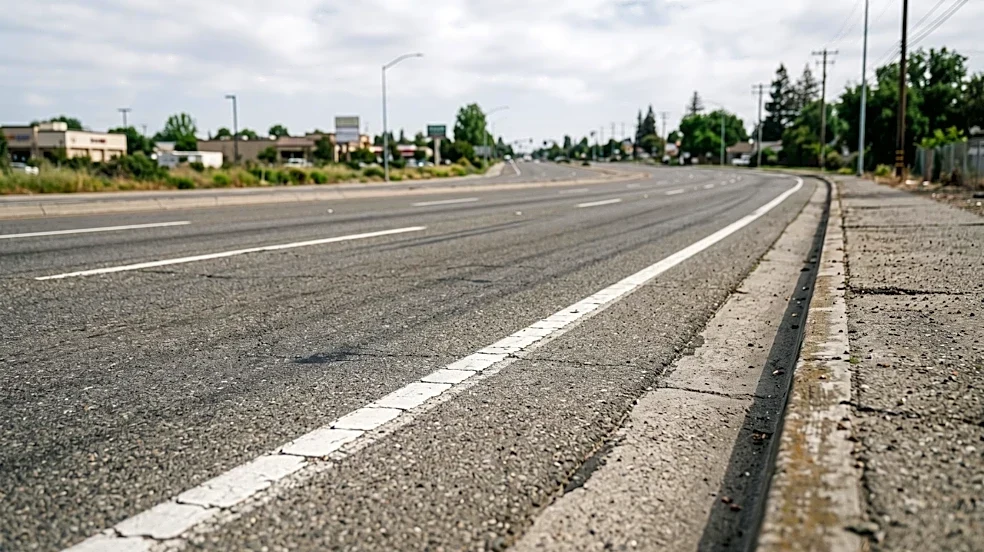
The Healey-Driscoll administration has announced a significant allocation of $13 million in federal funding for grants aimed at enhancing road safety across Massachusetts. This initiative, unveiled at an event in Braintree on October 16, is designed to prevent
crashes, bolster traffic enforcement, and safeguard drivers, pedestrians, and bicyclists. The funding will support various state and local endeavors, including high-visibility traffic enforcement, which combines strategic police efforts with public outreach and education. Additionally, the grants will facilitate pedestrian and bicyclist safety initiatives, advanced police training, and the acquisition of crash investigation tools. Educational programs for children, teen drivers, and families are also part of this comprehensive approach. Public Safety and Security Secretary Gina Kwon emphasized that preventing crashes necessitates a holistic strategy integrating effective enforcement, robust training, reliable data, and public education. The grants are distributed through four programs managed by the state’s Office of Grants and Research, all funded by federal grants from the National Highway Traffic Safety Administration.
Why It's Important?
This substantial federal funding is crucial for Massachusetts as it directly addresses public safety and aims to reduce traffic-related fatalities and injuries. By investing in advanced police training and crash investigation tools, the state enhances its capacity to respond to and analyze incidents, leading to more effective prevention strategies. The focus on high-visibility traffic enforcement, coupled with public education, is expected to foster a culture of safer driving and road use, benefiting all residents. For local police departments, the grants provide essential resources, technology, and training, enabling them to proactively tackle dangerous driving behaviors. This initiative also underscores the importance of federal-state partnerships in addressing critical issues, ensuring that local communities have the necessary support to implement proven safety measures. Ultimately, these investments are designed to save lives and improve the overall quality of life for Massachusetts citizens by making roads safer for everyone.
What's Next?
The $13 million in federal funding will be disbursed through four established programs: the Municipal Road Safety Grant Program, the State Agency Traffic Safety Grant Program, the State Traffic Safety Information System Improvements Grant Program, and the Community Traffic Safety Grant Program. Local police departments and state agencies will begin to utilize these funds to implement the outlined initiatives, including enhanced traffic enforcement, pedestrian and bicyclist safety programs, and educational campaigns. The administration expects these investments to provide police departments with the necessary tools, training, technology, and resources to prevent crashes and address dangerous driving. Continuous monitoring and evaluation of these programs will likely follow to assess their effectiveness in reducing traffic incidents and improving road safety metrics across Massachusetts. The ongoing collaboration between state and local partners will be key to the successful implementation and long-term impact of these grants.
Beyond the Headlines
The allocation of these funds highlights a broader commitment to data-driven public safety strategies. By emphasizing reliable data and comprehensive approaches, the initiative moves beyond reactive measures to proactive prevention. This could set a precedent for other states to adopt similar integrated strategies, combining enforcement, education, and technological advancements to tackle traffic safety challenges. The focus on pedestrian and bicyclist safety also reflects an evolving understanding of urban mobility and the need to protect vulnerable road users, aligning with national trends towards more multimodal transportation systems. Furthermore, the involvement of the National Highway Traffic Safety Administration underscores the federal government's role in promoting uniform safety standards and best practices across the nation, fostering a more coordinated approach to road safety that transcends state lines.