


What's Happening?
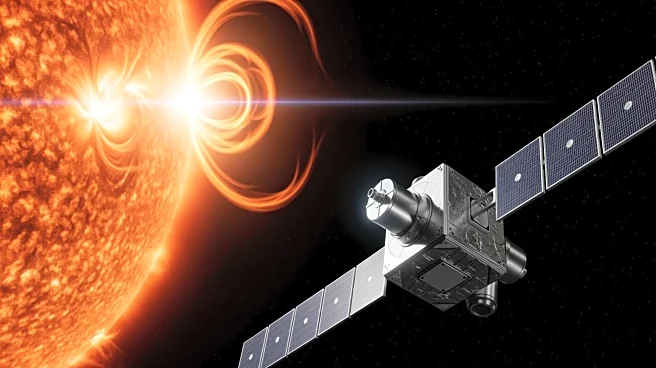
A polar vortex is expected to bring freezing temperatures to New Jersey this weekend and into February, following a sudden warmup of the stratosphere. This meteorological event, known as Sudden Stratospheric Warming, has weakened the polar vortex, allowing
Arctic air to move southward into North America. According to AccuWeather, this will result in temperatures plummeting into the single digits overnight. The phenomenon occurs when temperatures in the Arctic stratosphere increase rapidly, causing the polar vortex, a ring of high-altitude winds, to weaken or split. This leads to colder and more erratic weather patterns across the United States. The recent surge of Arctic air follows a significant winter storm that affected much of the nation in late January, sending temperatures well below average.
Why It's Important?
The impact of the polar vortex and the associated Sudden Stratospheric Warming is significant for residents and infrastructure in New Jersey and the broader northeastern United States. The expected drop in temperatures can lead to increased energy demand as households and businesses seek to heat their spaces, potentially straining energy resources. Additionally, the cold weather can disrupt transportation, affect public safety, and challenge emergency services. The persistence of frigid temperatures could also have economic implications, affecting industries such as agriculture and construction, which are sensitive to weather conditions. Understanding these weather patterns is crucial for preparing and mitigating the adverse effects on communities and the economy.
What's Next?
As the polar vortex continues to influence weather patterns, residents in New Jersey and the northeastern United States should prepare for ongoing cold conditions. Meteorologists predict that the Arctic front will bring more snow and freezing temperatures to the Great Lakes and Northeast later this week. Authorities and emergency services may need to implement measures to ensure public safety and maintain essential services. Residents are advised to stay informed about weather updates and take precautions to protect themselves and their properties from the harsh conditions. The situation underscores the importance of monitoring weather developments and being prepared for sudden changes.