
What's Happening?
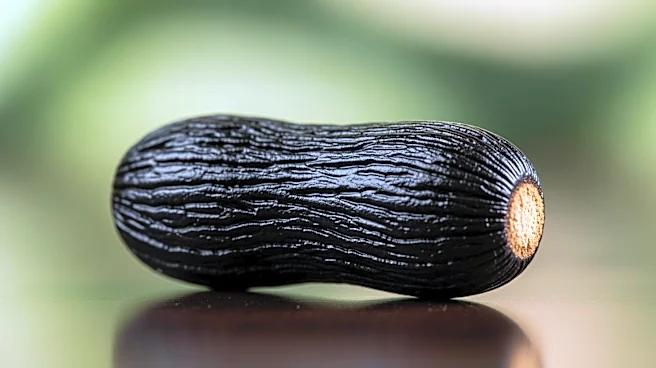
Researchers have identified glycyrrhizin, a natural compound found in black licorice, as a promising candidate for treating inflammatory bowel disease (IBD). The study, published in Stem Cell Reports,
utilized a new stem cell-based model of the human intestine to test the compound's efficacy. IBD is a chronic condition characterized by persistent inflammation in the digestive tract, affecting millions globally. Current treatments often fail to provide lasting relief, prompting the need for new therapeutic approaches. The research team, led by Yu Takahashi at the University of Tokyo, developed a human intestine model using stem cells and induced an IBD-like condition by exposing the tissue to a major inflammatory protein. Glycyrrhizin emerged as a top candidate, significantly reducing intestinal cell death in the model and lowering inflammation levels in mice with IBD.
Why It's Important?
The discovery of glycyrrhizin's potential benefits for IBD patients is significant as it offers a new avenue for treatment in a field where current options are limited and often ineffective. IBD affects millions, causing symptoms like diarrhea, abdominal pain, and fatigue, which severely impact quality of life. The use of stem cell-derived models in this research highlights a novel approach to drug discovery, potentially accelerating the development of effective therapies. If further clinical studies confirm glycyrrhizin's safety and efficacy in humans, it could lead to a breakthrough in managing IBD, providing relief to many who suffer from this debilitating condition.
What's Next?
Further clinical studies are necessary to determine whether glycyrrhizin can be safely and effectively used to treat IBD in humans. Researchers will need to conduct trials to assess the compound's long-term effects and potential side effects. If successful, glycyrrhizin could be developed into a new therapeutic option for IBD patients, offering hope for improved management of the disease. The continued use of stem cell-derived models in drug discovery may also pave the way for identifying other promising compounds for various inflammatory diseases.