








What's Happening?
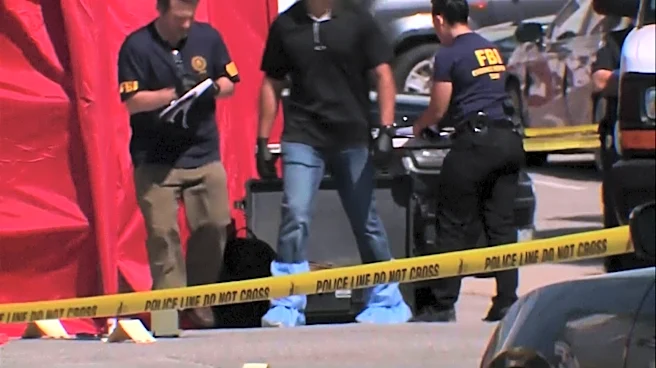
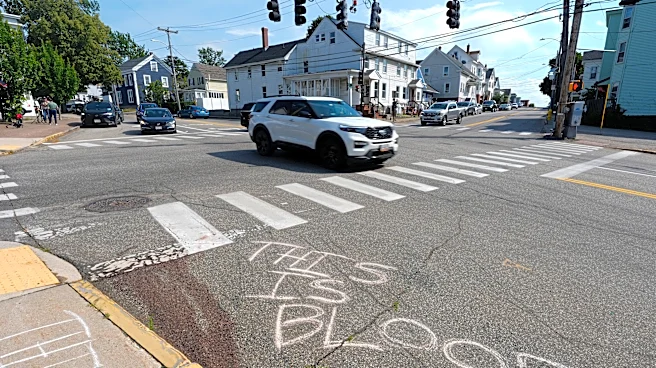
Federal authorities have increasingly used the term 'weaponized vehicle' during the Trump administration's immigration enforcement efforts. This terminology was highlighted following an incident in Maine where a driver was fatally shot by immigration officers.
Initially, the Department of Homeland Security described the situation as officers firing into the vehicle due to fears for public safety. This incident marks the second occurrence in a week where federal immigration authorities have shot and killed a driver, accusing them of attempting to ram into officers. The legal interpretation of a vehicle as a weapon is complex, with state and federal courts sometimes considering vehicles as weapons when used to inflict harm. However, these cases often involve enhanced charges like aggravated assault after an injury or death has occurred. Law enforcement training typically advises officers to avoid shooting at moving vehicles due to the risk of unintended harm to bystanders.
Why It's Important?
The use of the term 'weaponized vehicle' by federal authorities underscores the contentious nature of immigration enforcement tactics under the Trump administration. This language reflects a broader debate about the use of deadly force by law enforcement, particularly in situations involving vehicles. The implications are significant for public safety and legal standards, as the classification of a vehicle as a weapon can justify the use of deadly force. This raises concerns about the potential for excessive force and the need for clear guidelines to protect both law enforcement officers and the public. The issue also highlights the challenges faced by officers in rapidly evolving situations and the importance of training that emphasizes de-escalation and minimizing harm.
What's Next?
The ongoing use of the term 'weaponized vehicle' and the associated enforcement actions are likely to prompt further scrutiny and debate. Legal challenges may arise as courts continue to grapple with the definition of a vehicle as a weapon and the circumstances under which deadly force is justified. Law enforcement agencies may review and potentially revise their policies on the use of force involving vehicles, emphasizing the need for officers to prioritize public safety and consider alternatives to shooting. Public and political pressure could lead to calls for greater oversight and accountability in immigration enforcement practices.