





What's Happening?
As Space Exploration Day approaches, Florida State University Professor of History Ronald E. Doel discusses the ongoing cultural fascination with human space exploration despite advancements in robotic technology. According to a 2018 Pew Research Center
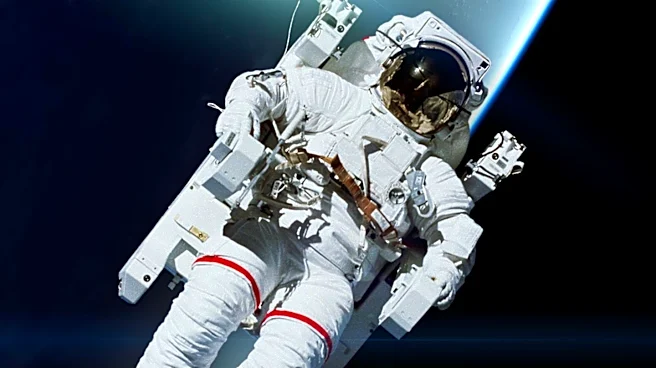
study, 58% of adults believe human astronauts are essential to the future of the U.S. Space Program. Doel emphasizes that while robotic missions have significantly contributed to our understanding of the solar system, they lack the emotional and memorable impact of human missions. He argues that crewed missions provide a human perspective that helps audiences connect with unfamiliar worlds, offering insights and emotions that scientific data alone cannot convey.
Why It's Important?
The discussion underscores a critical dilemma in modern space exploration: balancing the efficiency and safety of robotic missions with the public's desire for human involvement. This cultural demand for human presence in space exploration has implications for funding and policy decisions within space agencies. It highlights the need for a strategic approach that integrates both human and robotic missions to maximize scientific return while maintaining public interest and support. The emphasis on human missions could influence future investments in space technology and exploration strategies, potentially shaping the direction of the U.S. Space Program.