






What's Happening?
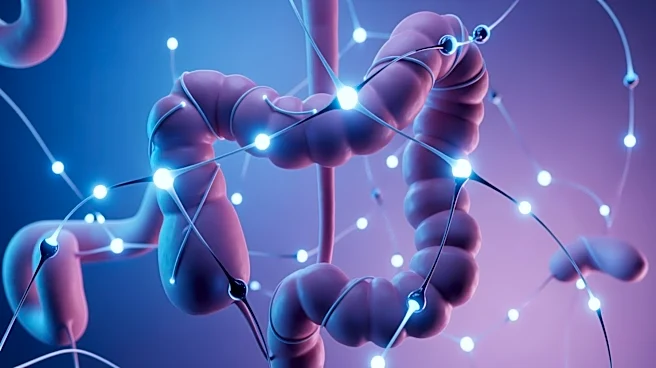
Recent research has delved into the complex interactions between ketamine and the gut-brain axis, highlighting its potential effects on mental health. Ketamine, known for its rapid antidepressant properties, influences the gut-brain axis through modulation
of monoaminergic systems and the mammalian target of rapamycin (mTOR) signaling pathway. This interaction is crucial as the gut-brain axis involves a bidirectional communication network linking the central nervous system, enteric nervous system, gut microbiota, and immune system. Disruptions in gut microbiota can lead to systemic inflammation, affecting brain function and behavior. The study suggests that ketamine's antidepressant effects may be partly mediated by its ability to modulate gut microbiota and immune signaling, thereby influencing neuroinflammation and psychiatric symptoms.
Why It's Important?
Understanding ketamine's impact on the gut-brain axis is significant for developing new therapeutic strategies for mental health disorders. The gut-brain axis plays a vital role in maintaining immune homeostasis and influencing emotional states and neural plasticity. Ketamine's ability to modulate this axis could offer insights into treating conditions like depression and anxiety, which are often linked to gut dysbiosis and systemic inflammation. By potentially restoring microbial balance and reducing neuroinflammation, ketamine could enhance mental health outcomes. This research underscores the importance of considering gut-mediated pathways in the development of antidepressant treatments, potentially leading to more effective and personalized therapies.
What's Next?
Further research is needed to explore the causal relationships between ketamine administration and changes in gut microbiota. Clinical studies could investigate how ketamine's modulation of the gut-brain axis affects long-term mental health outcomes. Additionally, exploring the role of diet and lifestyle in conjunction with ketamine treatment could provide a holistic approach to managing mental health disorders. Understanding the gut-brain axis's role in ketamine's therapeutic effects may lead to novel interventions that leverage microbiota modulation for improved mental health.
Beyond the Headlines
The study highlights the ethical and scientific implications of using ketamine as a treatment for mental health disorders. As ketamine's effects on the gut-brain axis become clearer, it raises questions about the long-term impact of altering gut microbiota and immune signaling. Researchers must consider the potential risks and benefits of such interventions, ensuring that treatments are safe and effective. This research also opens up discussions on the broader cultural and societal acceptance of using psychedelics and similar compounds in mainstream medicine.