







What's Happening?
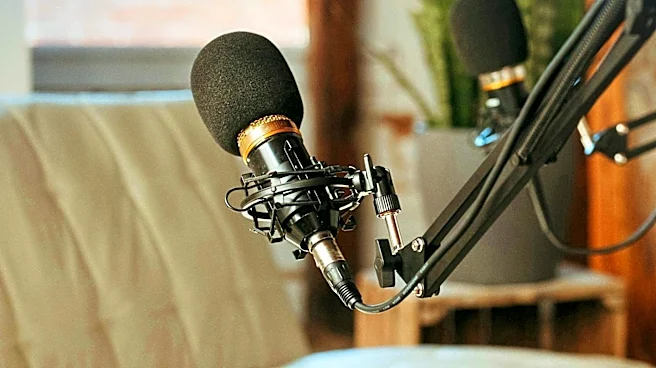
Discord has provided a comprehensive guide on how to start a podcast using its platform, detailing the necessary steps for setup and community management. To begin, users must enable Community features on their server, which is a prerequisite for creating
a Stage channel. A Stage channel is recommended as it separates speakers from the audience, allowing listeners to join muted and raise a hand to speak, thus preventing interruptions. The guide advises creating a host role with specific Stage moderator permissions, including 'Manage Channels,' 'Mute Members,' and 'Move Members,' to control the live podcast. Users are also instructed to schedule an Event for each episode, which notifies interested members when the show begins. Crucially, Discord does not offer built-in audio recording, so hosts are advised to record locally using external software like Audacity or capture the entire call with recording software. After recording, the edited episode should be uploaded to a podcast hosting service, and the link shared back on Discord in an announcements or forum channel to foster ongoing discussion.
Why It's Important?
This detailed guide from Discord is significant for aspiring podcasters and content creators, as it democratizes access to podcasting by leveraging an existing, widely used communication platform. By outlining a clear pathway, Discord enables individuals and communities to easily establish and manage their own audio content, fostering new voices and diverse perspectives. The platform's features, such as Stage channels and event scheduling, provide a structured environment for live broadcasts and audience interaction, which can enhance listener engagement. The emphasis on external recording solutions highlights a current limitation of Discord but also encourages users to adopt professional audio practices for better sound quality. This integration of podcasting within Discord's ecosystem could lead to a surge in community-driven audio content, offering a new avenue for niche discussions and specialized programming that might not find a home on traditional podcasting platforms.
What's Next?
As Discord continues to evolve its platform, it is likely that more tools and integrations for content creation, including podcasting, may be introduced. While Discord currently lacks built-in recording capabilities, future updates could potentially address this, further streamlining the podcasting workflow directly within the application. The guide also mentions the use of bots like PeakBot for community management, suggesting a growing ecosystem of third-party tools that can enhance the podcasting experience on Discord. This trend indicates that Discord could become an even more robust hub for live audio content and community interaction. Podcasters using Discord will need to stay updated on platform changes and new features to optimize their shows and audience engagement. The platform's continued focus on community features suggests that interactive and live podcasting will remain a key area of development.
Beyond the Headlines
The emergence of Discord as a viable platform for podcasting reflects a broader trend in digital media: the convergence of social interaction and content creation. By providing tools for live audio broadcasts and community engagement, Discord is transforming from a gaming-centric chat application into a versatile media hub. This shift has deeper implications for how content is produced and consumed, moving towards more interactive, community-driven models. The platform's emphasis on user-generated content and direct audience interaction challenges traditional media gatekeepers, allowing independent creators to build direct relationships with their listeners. Ethically, it raises questions about content moderation and ensuring a safe environment for discussions, especially as live audio can be more challenging to monitor. Culturally, it signifies a move towards more participatory media, where audiences are not just passive consumers but active participants in the content creation process, fostering a sense of belonging and shared interest within niche communities.