

What's Happening?
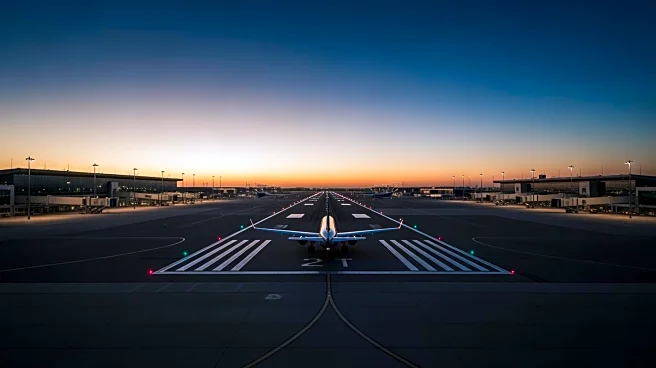
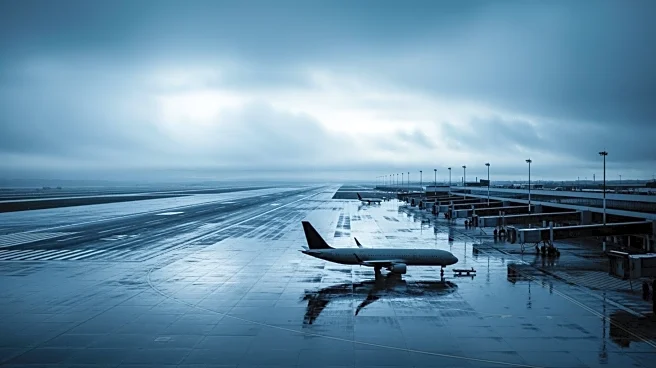
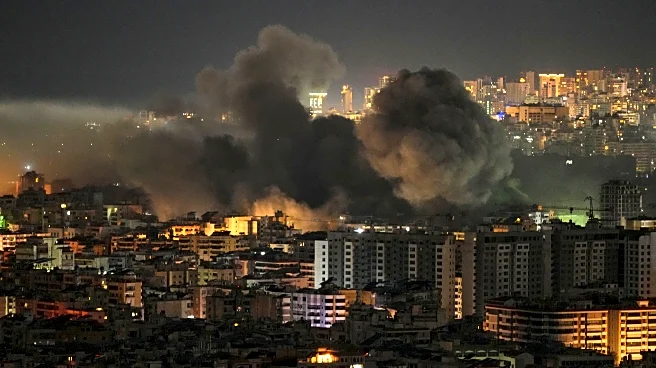
The ongoing conflict between the U.S.-Israel and Iran has led to significant disruptions in the global travel industry. Following Iran's retaliatory strikes, over 23,000 flights have been canceled worldwide, affecting major travel hubs such as Dubai,
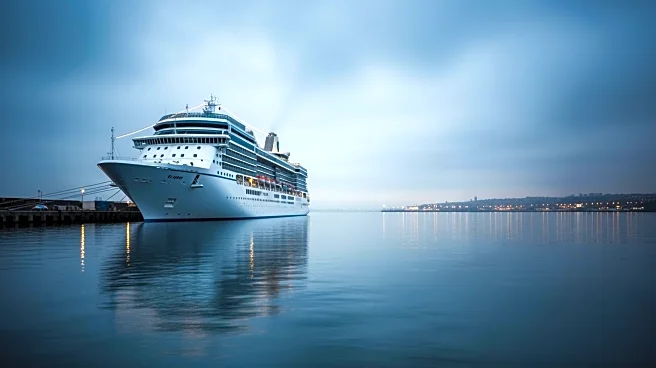
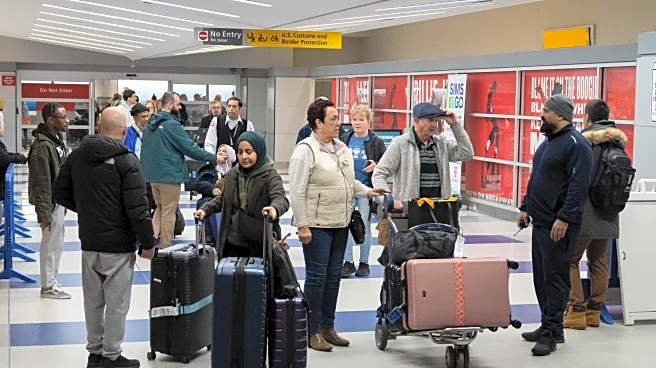
Abu Dhabi, and Doha. This has left hundreds of thousands of travelers stranded, with some opting for expensive chartered flights to return home. MSC Cruises has also been impacted, canceling its remaining sailings from Dubai and arranging repatriation flights for its passengers. The travel industry, valued at $11.7 trillion, is experiencing one of its largest disruptions outside of the COVID-19 pandemic, as noted by Henry Harteveldt of Atmosphere Research Group.
Why It's Important?
The travel disruptions caused by the conflict have significant economic implications, particularly for regions heavily reliant on tourism, such as the UAE, where tourism accounts for a substantial portion of the economy. The cancellations and airspace closures have not only affected travelers but also displaced aircraft and crew, complicating logistics for airlines. The situation poses a challenge for the travel industry to regain public trust and ensure safety, which is crucial for its recovery. Additionally, the conflict's impact on travel could shift tourism patterns, with potential increases in short-haul travel in other regions, as suggested by Ryanair's CEO.
What's Next?
The travel industry is expected to gradually recover as airlines resume limited operations and establish safe air corridors. However, the conflict's resolution and the ability of Gulf region hubs to reassure travelers of their safety will be critical. The industry must also address potential reluctance from travelers to visit the Middle East due to security concerns. Airlines and governments will need to implement measures to rebuild confidence in the safety and reliability of travel to these regions.