






What's Happening?
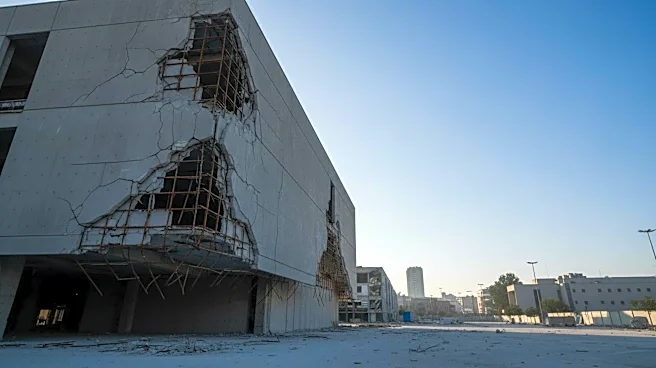
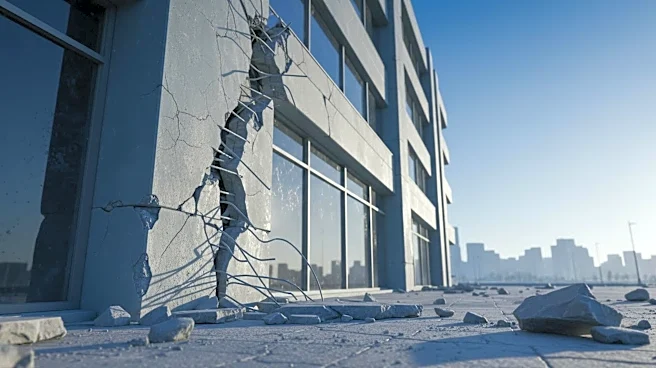
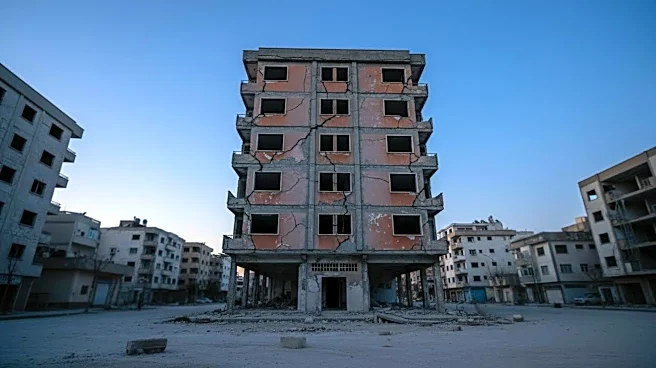
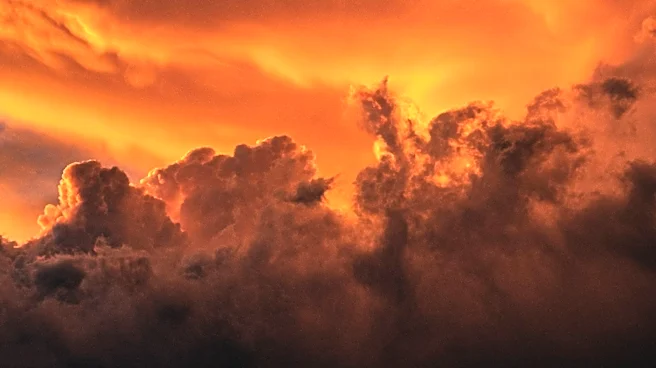
In Caracas, Venezuela, the sky turned a striking red on June 30, shortly after the region experienced devastating twin earthquakes. This unusual atmospheric phenomenon was captured in footage shared on social media, showcasing the vibrant evening sky over
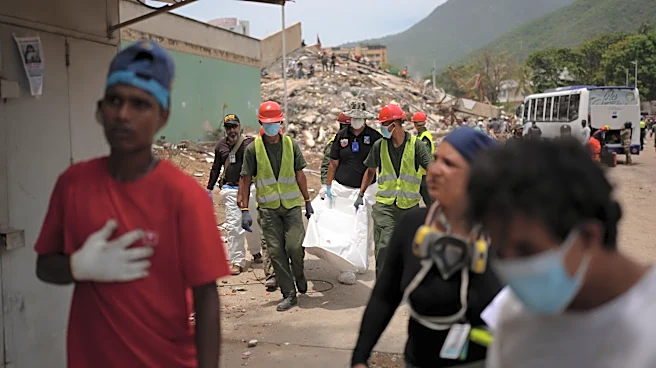
the capital. The red hue is attributed to various factors such as dust, smoke, and pollution, which can intensify the colors of a sunset, particularly in urban areas. Local media outlet El Nacional noted that it remains unclear if the red sky was more intense due to dust from collapsed buildings caused by the earthquakes.
Why It's Important?
The red sky over Caracas highlights the environmental impact of natural disasters, such as earthquakes, on urban areas. The presence of dust and debris in the atmosphere can lead to significant changes in air quality, potentially affecting the health of residents. This event underscores the need for effective disaster response and urban planning to mitigate the environmental and health consequences of such disasters. Additionally, it raises awareness about the broader implications of natural disasters on the environment, prompting discussions on preparedness and resilience in urban settings.
What's Next?
As Venezuela continues to recover from the recent earthquakes, authorities may focus on assessing the environmental impact and addressing any potential health risks associated with the increased dust and pollution levels. Efforts to clear debris and rebuild infrastructure will be crucial in restoring normalcy and ensuring the safety of residents. The government and environmental agencies might also consider implementing measures to monitor air quality and provide guidance to the public on minimizing exposure to pollutants.
Beyond the Headlines
The red sky phenomenon serves as a reminder of the interconnectedness of natural disasters and environmental changes. It highlights the importance of integrating environmental considerations into disaster management strategies. Long-term, this event could influence policy discussions on urban resilience and the need for sustainable development practices that account for the environmental impacts of natural disasters.