
What's Happening?
In Denmark, there has been a significant increase in the popularity of mobile applications designed to boycott American products. This surge is reportedly a response to President Donald Trump's assertion
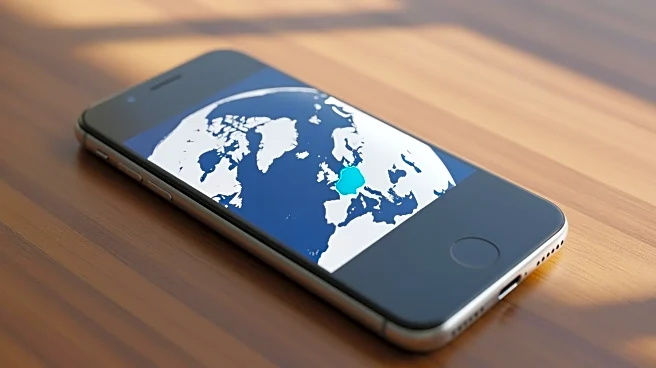
of U.S. sovereignty over Greenland, a claim that has strained relations between the United States and Denmark. Apps such as NonUSA and Made O'Meter, which allow users to identify and avoid American-made products, have climbed to the top of the download charts in Denmark's App Store and Google Play Store. NonUSA, for instance, enables users to scan product barcodes to determine their country of origin and suggests local alternatives. The app's download ranking skyrocketed from 441st to 1st place within a few days in January 2026. Similarly, Made O'Meter, which identifies product origins through photos, is also among the top downloads. According to TechCrunch, these apps have seen an 867% increase in average daily downloads compared to the previous week.
Why It's Important?
The rise in popularity of these boycott apps highlights the growing anti-American sentiment in Denmark, fueled by President Trump's controversial claims over Greenland. This development underscores the potential for political actions to influence consumer behavior and market dynamics, even in digital spaces. The situation reflects broader geopolitical tensions and the impact of national policies on international relations. For U.S. businesses, this trend could signal a decrease in market share in Denmark and possibly other regions with similar sentiments. It also illustrates the power of digital tools in mobilizing consumer activism and shaping economic landscapes. The irony of using American technology to facilitate a boycott of American products further complicates the narrative, showcasing the complex interplay between technology, politics, and consumer behavior.
What's Next?
If the trend continues, it could lead to a more sustained boycott movement in Denmark and potentially spread to other countries with similar grievances against U.S. policies. This could prompt American companies to reassess their strategies in international markets, particularly in Europe. Additionally, the U.S. government may need to address these diplomatic tensions to prevent further economic repercussions. The situation could also inspire the development of similar apps in other regions, amplifying the impact of consumer activism on global trade. Monitoring the response from both the U.S. and Danish governments, as well as the business community, will be crucial in understanding the long-term implications of this development.
Beyond the Headlines
The rise of boycott apps in Denmark raises questions about the ethical implications of consumer activism and the role of technology in facilitating political expression. It highlights the potential for digital platforms to serve as tools for social and political change, empowering consumers to make choices aligned with their values. However, it also poses challenges for businesses and governments in navigating the complexities of global trade and diplomacy. The situation underscores the need for companies to be aware of the political and cultural contexts in which they operate and to engage with consumers in meaningful ways that address their concerns.