







What's Happening?
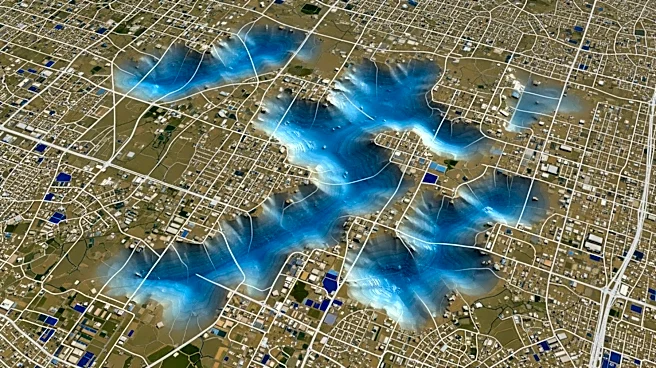
Mexico City is experiencing significant subsidence, with NASA tracking the sinking at a rate of up to 2 centimeters per month. This phenomenon is primarily due to the excessive pumping of groundwater from the ancient Lake Texcoco bed, causing the soft
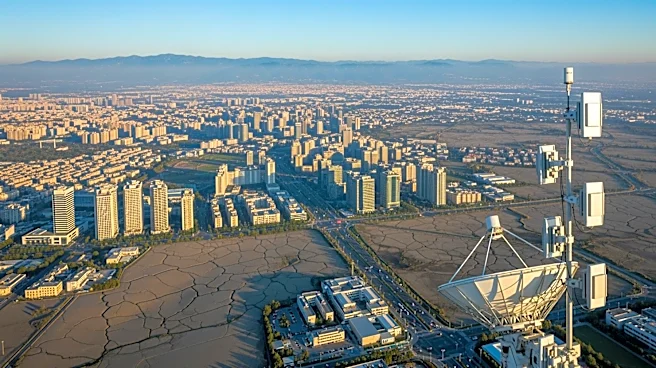
clay-like soil to compact. The city's infrastructure, including buildings, roads, and the metro system, is severely affected by this subsidence. The Angel of Independence statue, a notable landmark, has had 14 steps added to its base as the land around it has gradually sunk. The Nisar satellite, a joint initiative between NASA and the Indian Space Research Organisation, is providing detailed data on the subsidence, highlighting areas such as the city's main airport that are sinking rapidly.
Why It's Important?
The subsidence of Mexico City poses a significant threat to its urban infrastructure, affecting streets, water distribution systems, and drainage pipes. As the city continues to sink, the risk of infrastructure failure increases, potentially leading to severe disruptions in daily life for the city's 22 million residents. The situation is exacerbated by the climate crisis, which has resulted in low rainfall, further stressing the city's water supply. The Nisar satellite's data is crucial for understanding the extent of the problem and could inform future efforts to mitigate the impact of subsidence. However, addressing the root cause would require reducing groundwater extraction, a challenging task given the city's reliance on this resource for half of its water supply.
What's Next?
Efforts to address Mexico City's subsidence are limited, with current measures focusing on fortifying the foundations of historic buildings. The data from the Nisar satellite may help draw greater attention to the issue, potentially leading to more comprehensive strategies to manage the city's water resources and infrastructure. However, halting the subsidence would require significant changes in water management practices, including reducing groundwater extraction. This presents a dilemma, as the city must balance its water needs with the need to prevent further subsidence. The situation underscores the importance of sustainable water management practices in urban areas built on vulnerable geological foundations.