






What's Happening?
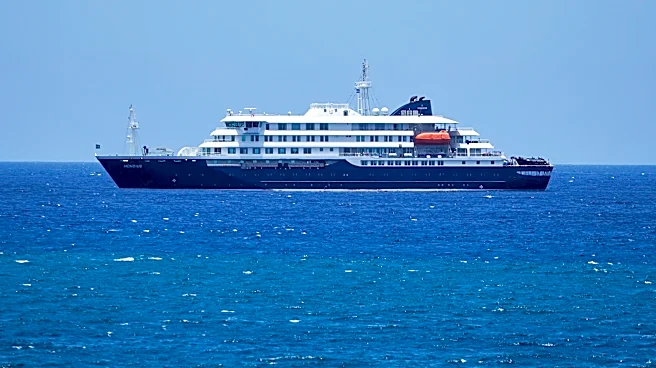
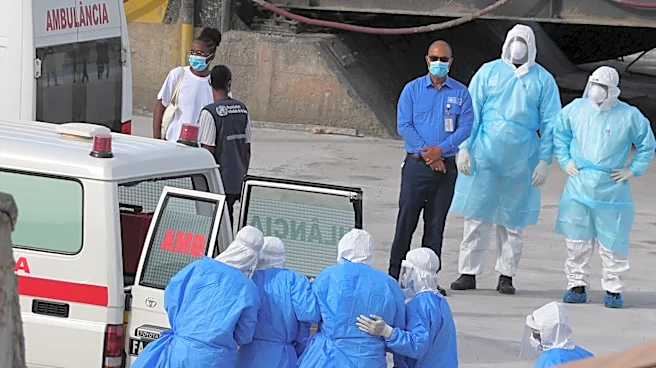
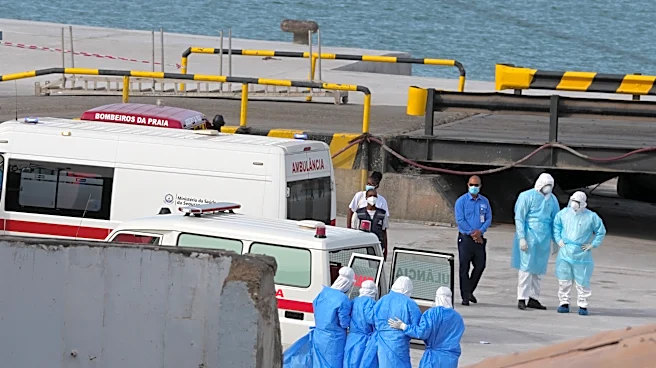
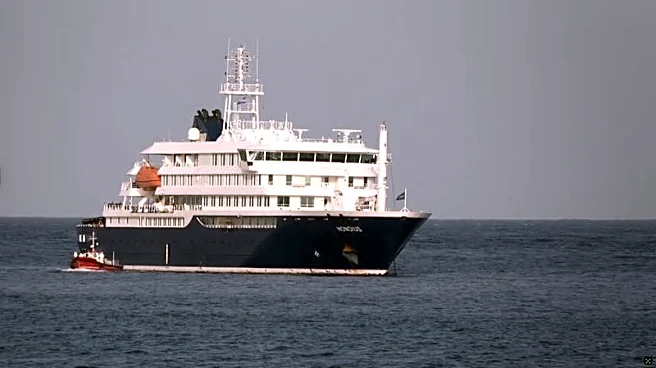
A KLM flight attendant has been hospitalized in Amsterdam with a suspected hantavirus infection after coming into contact with a passenger from the MV Hondius cruise ship, who later died. The passenger, an elderly Dutch woman, was evacuated from the ship after her
husband died on board amid a hantavirus outbreak. The flight attendant, who experienced mild symptoms, was isolated for testing. The hantavirus outbreak on the cruise ship has resulted in three deaths and has put health authorities on high alert. The virus, identified as the Andean strain, is typically spread through inhaling contaminated rodent droppings, with human-to-human transmission being rare.
Why It's Important?
The hantavirus outbreak on the MV Hondius cruise ship poses significant public health concerns, particularly for international travel and cruise industries. The incident highlights the risks associated with infectious disease outbreaks on cruise ships, which can rapidly spread due to close quarters and shared facilities. The situation underscores the need for stringent health protocols and rapid response measures to contain outbreaks and protect passengers and crew. The potential for international spread of the virus necessitates coordinated efforts among global health authorities to trace and monitor individuals who may have been exposed.
What's Next?
Health authorities in the Netherlands and other countries are likely to intensify efforts to trace and monitor individuals who may have been exposed to the hantavirus. The cruise ship is en route to Spain, where remaining passengers will disembark, and further health assessments will be conducted. The situation may lead to increased scrutiny of health and safety protocols on cruise ships and could impact future cruise operations. Public health agencies will continue to provide updates and guidance to prevent further spread of the virus.