



What's Happening?
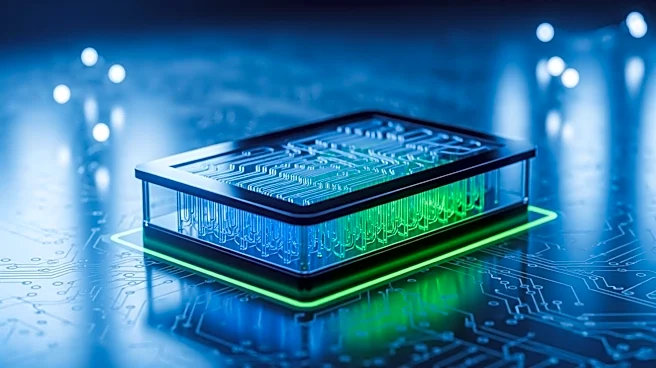
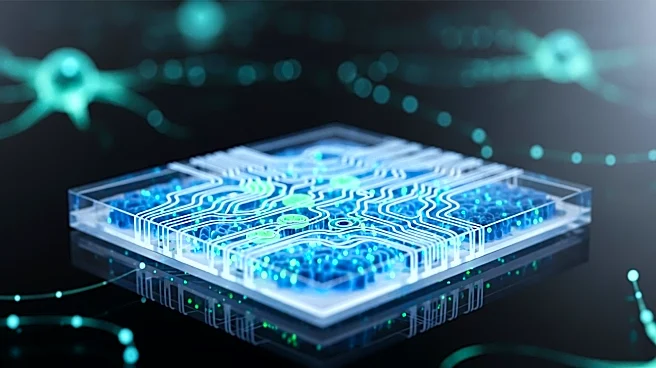
Dynamic42 and Experimental Pharmacology and Oncology (EPO), both based in Germany, have announced a strategic collaboration to address the limited availability of preclinical models in brain cancer research. The partnership aims to integrate organ-on-chip
technologies into preclinical drug development, focusing on glioblastoma and the blood-brain barrier (BBB). By combining Dynamic42's organ-on-chip platforms with EPO's expertise in translational oncology, the collaboration seeks to develop experimental setups that more accurately reflect human tumor biology. This approach is expected to generate data that translates more reliably into clinical outcomes, potentially improving therapeutic responses and reducing late-stage failure risks in drug development.
Why It's Important?
The collaboration between Dynamic42 and EPO is significant as it addresses a critical gap in brain cancer research by providing more human-relevant experimental systems. The use of organ-on-chip technology could lead to more accurate preclinical models, which are essential for developing effective treatments for glioblastoma, a particularly aggressive form of brain cancer. By improving the translational link between preclinical and clinical research, this partnership could enhance decision-making in drug development and reduce the reliance on non-human models that may not fully capture human biology. This initiative supports the principles of the 3Rs (Replace, Reduce, Refine), promoting more ethical and efficient research practices.
What's Next?
Dynamic42 and EPO plan to present the initial results of their collaboration at the American Association for Cancer Research Annual Meeting in 2026. The partnership is expected to expand further, exploring additional indications and extending the use of organ-on-chip technologies across various areas of drug development. This expansion could lead to broader applications of the technology, potentially benefiting other areas of cancer research and treatment. The collaboration also includes model development activities, commercialization strategies, and scientific exchanges, particularly involving early-career researchers, which could foster innovation and knowledge sharing in the field.
Beyond the Headlines
The integration of organ-on-chip technology into preclinical research represents a shift towards more human-relevant experimental systems, which could have long-term implications for the pharmaceutical industry. By providing more accurate models of human biology, this approach could lead to more effective and targeted therapies, reducing the time and cost associated with drug development. Additionally, the collaboration highlights the importance of international partnerships in advancing scientific research and addressing complex health challenges. As the technology matures, it may also influence regulatory standards and ethical considerations in drug development.