





What's Happening?
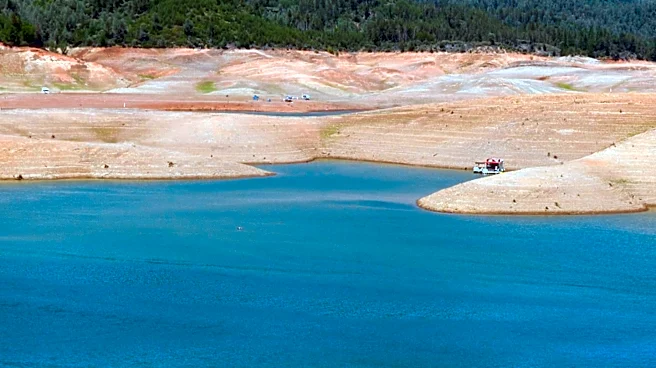
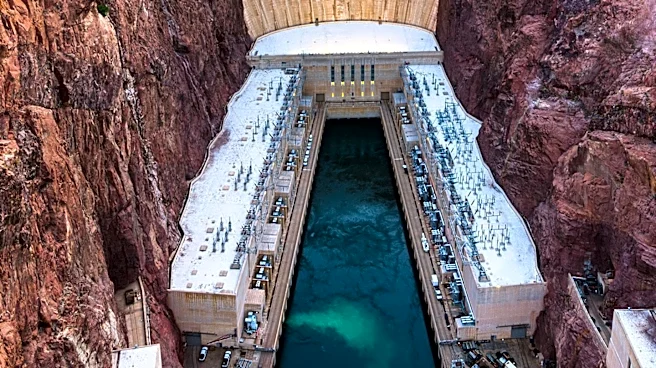
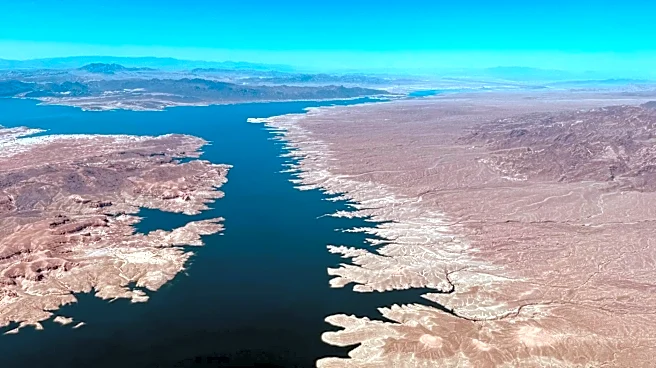
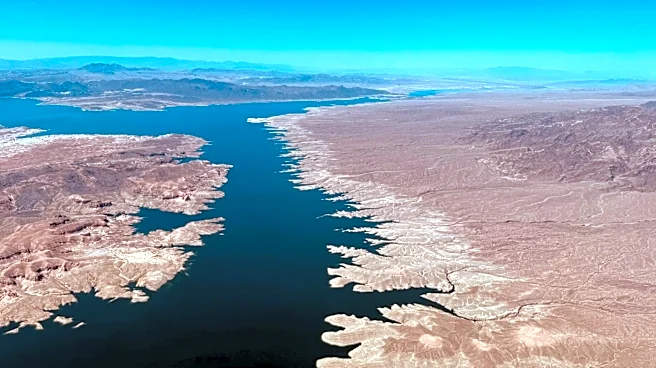
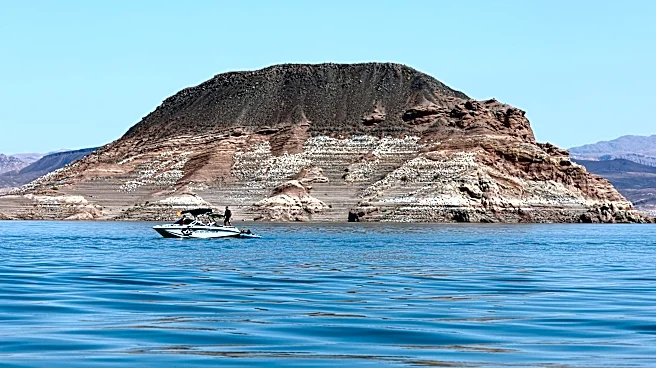
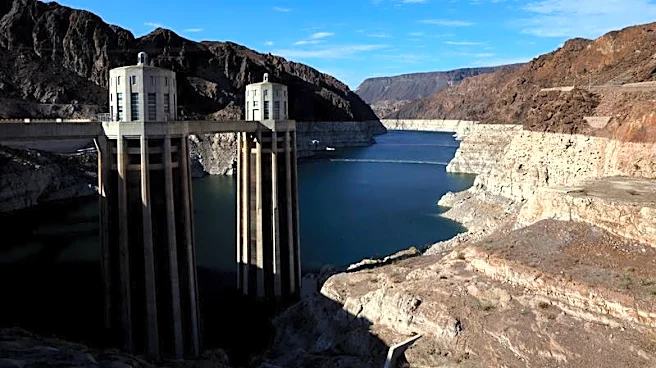
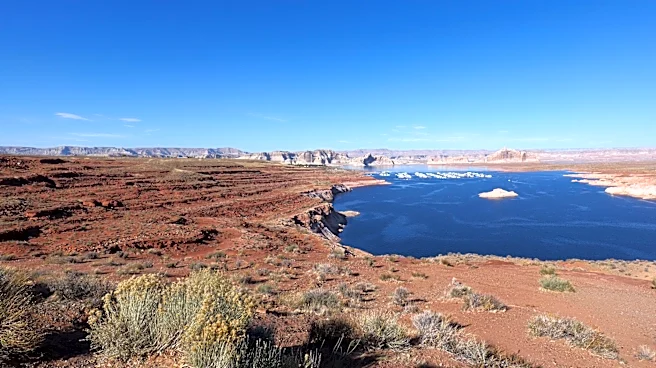
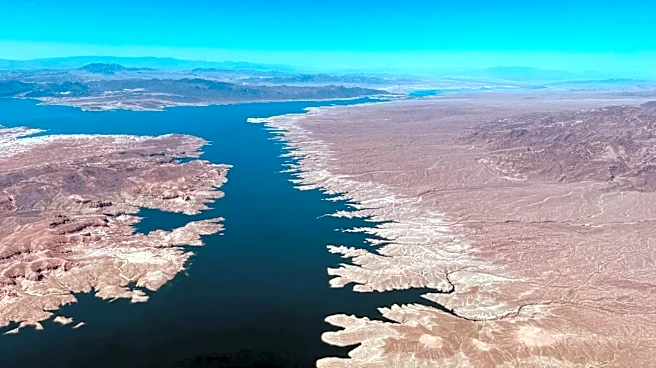
Lake Mead and Lake Powell, two of the largest reservoirs in the United States, are nearing record low water levels, according to data from the U.S. Bureau of Reclamation. Lake Powell's elevation is close to the critical level needed to produce hydropower,
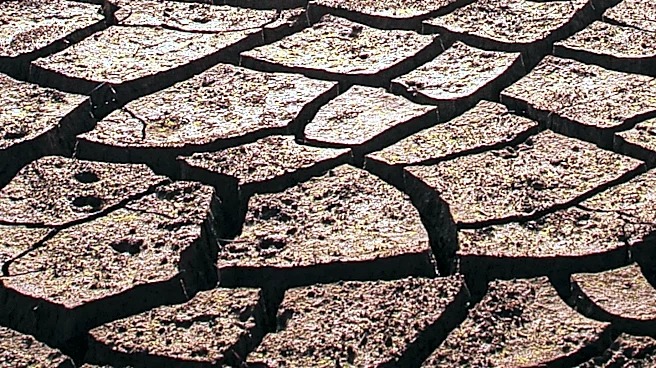
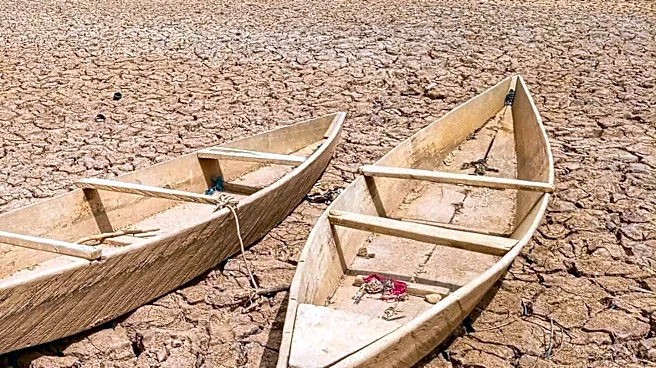
and projections indicate a new record low could be reached in August. The Colorado River basin, which supplies water to 40 million people and provides hydropower to seven states, is experiencing severe drought conditions. The situation underscores the need for new water management strategies as the region faces prolonged drought and low snowpack.
Why It's Important?
The declining water levels in Lake Mead and Lake Powell have significant implications for water supply, agriculture, and energy production in the Western United States. As these reservoirs approach critical levels, the ability to generate hydropower and meet water demands is threatened. This situation highlights the urgent need for sustainable water management practices and collaborative efforts among states to address water scarcity. The ongoing drought and climate change exacerbate these challenges, necessitating innovative solutions to ensure long-term water security and environmental sustainability in the region.
What's Next?
If states cannot reach a consensus on water allocation, the Bureau of Reclamation may need to intervene to make a final decision. Conservation measures across various sectors, including agriculture and industry, will be essential to protect water supplies. The potential for above-average precipitation and an intensifying El Niño could provide short-term relief, but long-term solutions are needed to address the underlying factors driving water shortages.