


What's Happening?
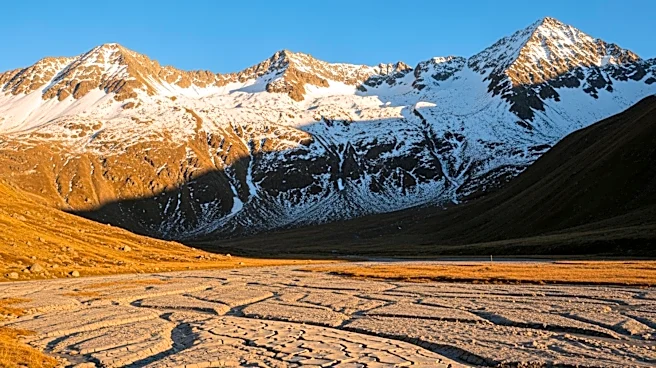
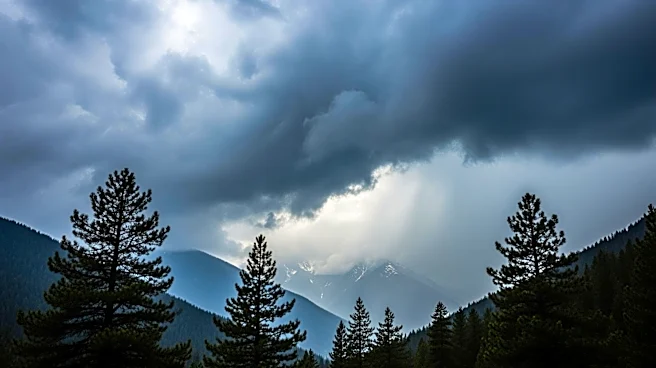
Colorado is experiencing extreme drought conditions, particularly in Denver, as reported by Karen Schlatter, Director of the Colorado Water Center at Colorado State University. The state is heavily reliant on snowpack in its mountains for water resources,
and the current low levels are exacerbating the drought situation. This reliance on snowpack is crucial because it serves as a natural reservoir, slowly releasing water as it melts, which is essential for the state's water supply. The reduced snowpack levels are leading to significant challenges in water management and conservation efforts across the state.
Why It's Important?
The declining snowpack levels in Colorado have far-reaching implications for the state's water supply and agricultural sectors. As snowpack acts as a critical water source, its reduction threatens water availability for both urban and rural areas. This situation could lead to stricter water usage regulations and increased competition for water resources among agricultural, industrial, and residential users. The agricultural sector, in particular, may face severe impacts, as water shortages could lead to reduced crop yields and increased costs for irrigation. Additionally, the drought conditions could exacerbate wildfire risks, posing further threats to communities and ecosystems.
What's Next?
In response to the ongoing drought and low snowpack levels, Colorado may need to implement more aggressive water conservation measures and explore alternative water sources. State and local governments might consider investing in infrastructure to capture and store water more efficiently. Additionally, there could be increased efforts to educate the public on water conservation practices. Stakeholders, including farmers, policymakers, and environmental groups, will likely engage in discussions to develop sustainable water management strategies to mitigate the impacts of the drought.