



What's Happening?
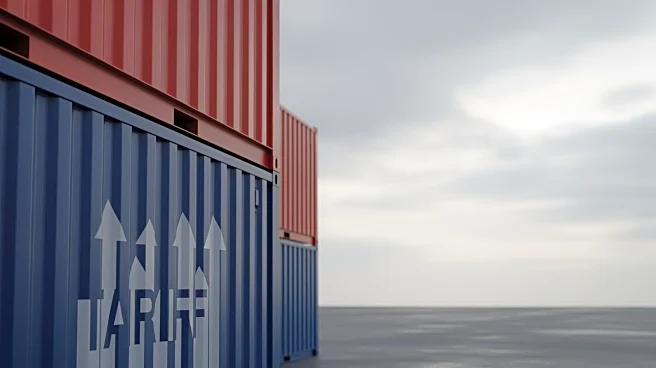
Ecuador has announced a significant increase in tariffs on Colombian imports, raising the rate from 30% to 50% starting March 1. This decision marks an escalation in the ongoing trade and security dispute between Ecuador and Colombia. Ecuador's President
Daniel Noboa has been urging Colombia's President Gustavo Petro to enhance border security, particularly in combating narcotics trafficking. The tariff hike follows an initial 30% tariff imposed earlier in February. Ecuador cites a growing trade deficit with Colombia as a justification for the protectionist measures. The trade deficit, excluding oil, stands at approximately $1.03 billion. The tariff increase may not apply to Colombian electricity, a critical resource for Ecuador, which has faced power outages due to recent droughts affecting its hydroelectric dams.
Why It's Important?
The tariff increase could have significant economic implications for both Ecuador and Colombia. Ecuador's reliance on Colombian imports, including medicines and pesticides, means that higher tariffs could lead to increased costs for Ecuadorian consumers and businesses. For Colombia, the tariffs could reduce its export revenues, particularly as nearly 4% of its exports go to Ecuador. The move also highlights the broader geopolitical tensions in the region, as Ecuador seeks to pressure Colombia into taking stronger action against drug trafficking. The situation could lead to further diplomatic strains and impact regional trade dynamics.
What's Next?
The tariff increase is likely to prompt further negotiations between Ecuador and Colombia. Both countries may seek diplomatic solutions to address the underlying security and trade issues. Ecuador's decision not to apply tariffs to Colombian electricity could be a strategic move to maintain essential energy supplies. However, if tensions continue to escalate, there could be further retaliatory measures, such as Colombia's previous suspension of energy sales to Ecuador. The situation will require careful management to avoid exacerbating economic and political tensions in the region.