



What's Happening?
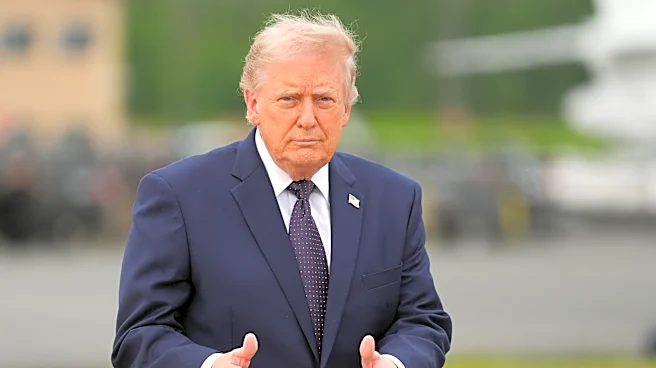
President Donald Trump is experiencing a decline in support from White working-class voters, a demographic that has been a cornerstone of his political base. Recent polls indicate that White voters without college degrees, who overwhelmingly supported
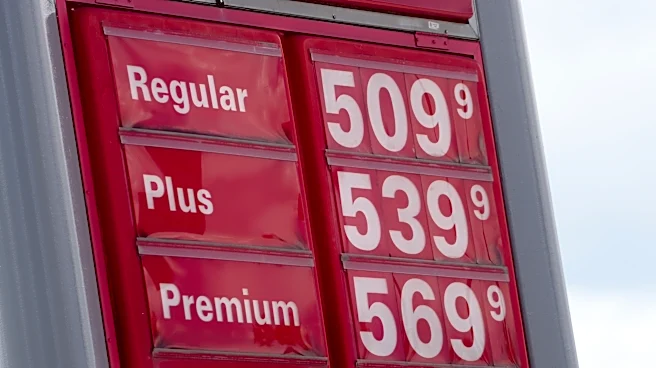
Trump in previous elections, are now expressing dissatisfaction with his handling of the economy. Rising gas prices and increased costs of living are contributing to this shift in sentiment. Many of these voters, who once believed in Trump's promises to lower prices and improve economic conditions, are now feeling the strain of economic challenges. This change in support could have significant implications for the Republican Party as it approaches the midterm elections, with potential impacts on key battleground states.
Why It's Important?
The shift in support among White working-class voters is significant for President Trump and the Republican Party, as this demographic has been crucial to their electoral success. The dissatisfaction with Trump's economic policies, particularly in relation to rising costs and tariffs, could weaken the party's position in upcoming elections. This demographic's discontent may also reflect broader economic concerns that could influence voter behavior across the country. The potential loss of support from this key group could impact the Republican Party's ability to maintain control in Congress and influence future policy decisions.
What's Next?
As the midterm elections approach, the Republican Party will need to address the concerns of White working-class voters to maintain their support. This may involve reassessing economic policies and addressing the rising costs that are affecting this demographic. The party's ability to respond to these challenges could determine its success in upcoming elections and its ability to retain key seats in Congress. Additionally, the administration's handling of ongoing economic issues, such as tariffs and international trade, will be closely scrutinized by voters and could influence future political dynamics.