






What's Happening?
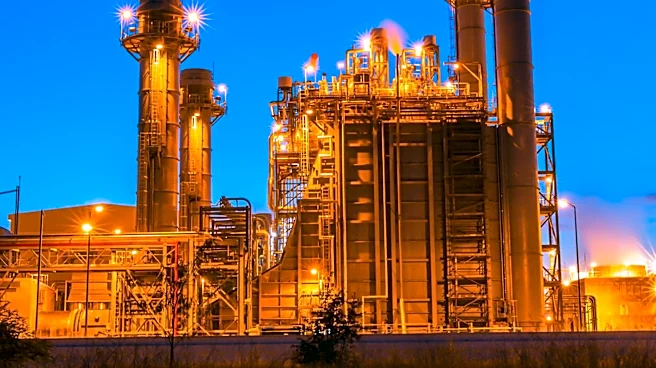
El Paso Congresswoman Veronica Escobar has called for a federal investigation into the Marathon refinery following the release of nearly five tons of toxic pollutants into the air over a 24-hour period. Escobar sent a letter to the Environmental Protection
Agency (EPA), urging an investigation into the refinery's compliance with its air permit and its communication with local officials and the community. The incident, which began on August 4, involved the release of hazardous substances such as sulfur dioxide and 1,3-butadiene. Escobar's letter questions whether Marathon violated federal requirements, including the Clean Air Act, and why local officials and the public were not notified promptly. She has requested that the EPA provide inspection reports, violation notices, and other relevant records by August 31.
Why It's Important?
The release of toxic pollutants from the Marathon refinery raises significant public health and environmental concerns. The incident highlights potential gaps in regulatory compliance and communication protocols, which could have serious implications for the safety of local communities. The demand for a federal investigation underscores the need for accountability and transparency in industrial operations, particularly those involving hazardous materials. The outcome of this investigation could influence future regulatory measures and enforcement actions, impacting the refinery's operations and potentially setting a precedent for how similar incidents are handled nationwide.
What's Next?
The EPA is expected to respond to Escobar's request by August 31, providing the requested reports and data. The investigation could lead to enforcement actions if violations are found, including fines or operational changes at the refinery. Local officials and community leaders are likely to continue advocating for greater transparency and improved safety measures. The incident may also prompt broader discussions about industrial emissions and regulatory oversight, potentially influencing policy changes at both state and federal levels.