



What's Happening?
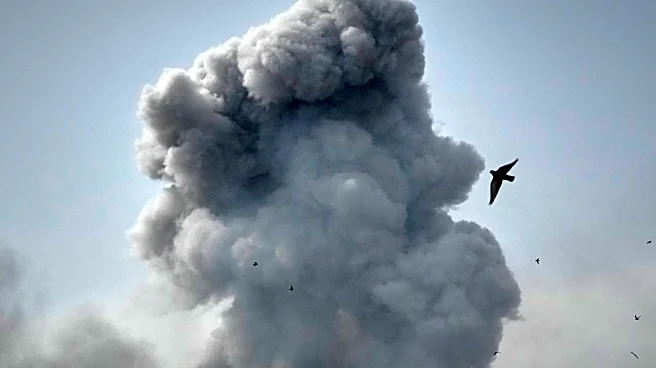
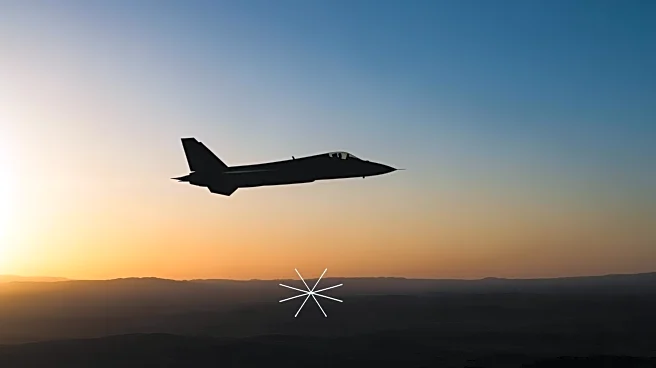
The U.S. military has experienced significant aircraft losses due to friendly fire as tensions with Iran intensify. U.S. Central Command confirmed that three Boeing F-15E Strike Eagles were mistakenly shot down by Kuwaiti air defenses over Kuwait. Fortunately,
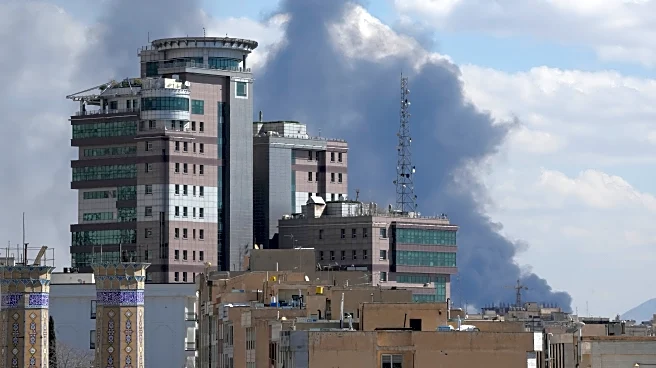
all six crew members were safely recovered and are in stable condition. This incident is part of a broader conflict that has seen increased military activity in the region. Iran has expanded its drone and ballistic missile campaigns in response to U.S. and Israeli strikes targeting military infrastructure. The conflict has also affected other nations, with Iranian drone strikes hitting a British air base in Cyprus and Saudi Arabia intercepting drones aimed at its air base. The situation has led to disruptions in regional aviation and energy production, raising concerns about prolonged instability.
Why It's Important?
The escalation of military activities in the Middle East has significant implications for global security and economic stability. The friendly fire incident highlights the complexities and risks involved in high-stakes military operations. The conflict has already resulted in casualties and could potentially lead to further loss of life and resources. The involvement of multiple countries, including the U.S., Israel, and Iran, underscores the geopolitical tensions that could have far-reaching consequences. The disruption of energy production and aviation in the region could impact global markets, leading to economic uncertainty. Additionally, the increased military activity has led to a rise in defense industry shares, although analysts warn that production capacity constraints may limit long-term gains.
What's Next?
As the conflict continues, there is potential for further military engagements and retaliatory actions. The U.S. and its allies may increase their military presence and operations in the region to counter Iranian aggression. Diplomatic efforts may be necessary to de-escalate tensions and prevent a broader conflict. The international community will likely monitor the situation closely, with potential implications for global security policies and alliances. The ongoing instability could also prompt discussions on energy security and the need for alternative energy sources to mitigate the impact of regional disruptions.