






What's Happening?
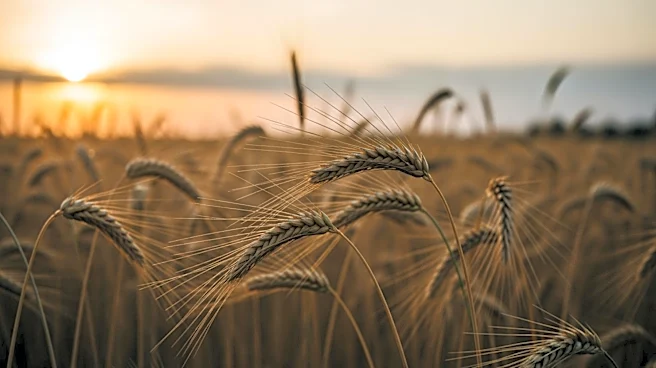
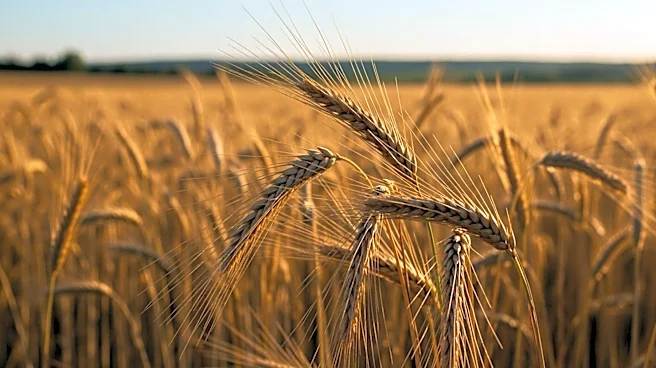
Researchers at Breadlab, part of Washington State University, are working to develop new strains of wheat that are more nutritious, flavorful, and resilient to climate change. Over the past century, wheat cultivation has led to varieties that are less
beneficial for consumers and farmers. Breadlab's efforts focus on breeding whole grains that can better withstand environmental challenges while providing improved taste and nutritional value. This initiative is part of a broader movement to enhance agricultural practices and food quality in response to changing climate conditions and consumer demands.
Why It's Important?
The work being done at Breadlab has significant implications for the agricultural industry and food security. By developing wheat varieties that are more resilient to climate change, farmers can potentially reduce crop losses and improve yields. This can lead to more stable food supplies and potentially lower costs for consumers. Additionally, enhancing the nutritional value of wheat can contribute to better public health outcomes. As climate change continues to impact agriculture, innovations like those at Breadlab are crucial for adapting to new environmental realities and ensuring sustainable food production.