







What's Happening?
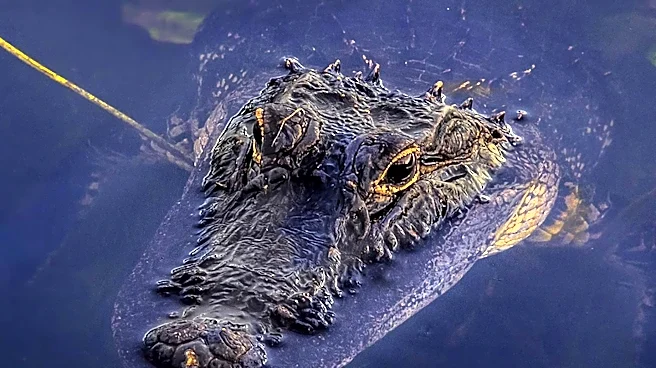
An Israeli court has issued a temporary injunction against the transfer of crocodiles to Ketziot Prison, a facility holding Palestinian prisoners. This decision comes after the Let the Animals Live animal welfare group filed a petition arguing that the plan,
proposed by National Security Minister Itamar Ben-Gvir, lacked legal authority and posed harm to the crocodiles. The plan involved creating moats around the prison, inspired by the U.S. 'Alligator Alcatraz' facility, with a budget of NIS 21 million ($7 million). The Nature and Parks Authority opposed the plan, citing environmental risks and the lack of scientific basis for using crocodiles as a security measure.
Why It's Important?
The court's decision highlights the ongoing debate over the ethical treatment of animals and the use of wildlife in security measures. The plan's suspension underscores the influence of animal welfare groups and environmental authorities in shaping public policy. The case also reflects broader concerns about the introduction of non-native species into ecosystems, which can have significant environmental impacts. The outcome of this legal challenge could set a precedent for future proposals involving wildlife in security contexts, affecting policy decisions in Israel and potentially influencing international practices.
What's Next?
The court has given the involved parties, including Environmental Minister Idit Silman and the Israel Prison Service, until Wednesday to respond to the petition. The final ruling will determine whether the crocodile transfer can proceed. The decision will likely prompt further discussions among policymakers, environmentalists, and animal rights advocates about the ethical and practical implications of using animals in security settings. The case may also lead to increased scrutiny of similar projects worldwide, potentially influencing international standards and regulations regarding wildlife use in detention facilities.