




What's Happening?
Representative Thomas H. Kean, Jr. has introduced H.R. 10931, the Library Construction and Modernization Act of 2026. This bill proposes the creation of a new federal grant program aimed at funding public library construction and upgrades. The Director
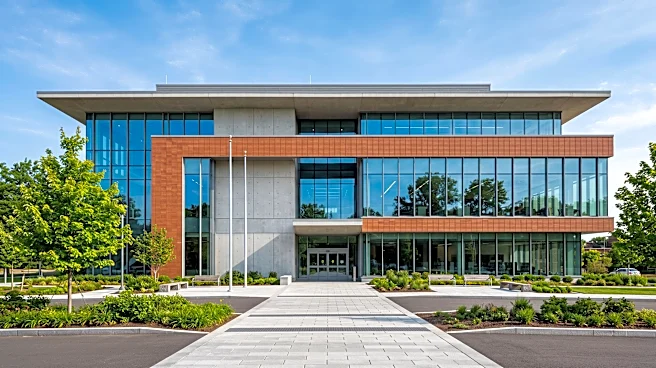
of the Institute of Museum and Library Services would be responsible for awarding these grants on a competitive basis to eligible applicants. The funds could be utilized for various projects, including building new libraries, purchasing existing buildings for library use, acquiring land for new construction, expanding current library facilities, and renovating or rehabilitating library buildings. Additionally, the grants would support making libraries more energy-efficient, creating spaces for community activities, updating buildings to meet federal health and safety standards, and repairing damaged infrastructure such as roofs, floors, lighting, plumbing, heating, ventilation, and air conditioning systems. The bill specifies that federal funding would cover no more than 50 percent of any project's cost, requiring states or local governments to contribute at least half. Ordinary custodial maintenance is excluded unless it is part of a larger eligible construction or renovation project.
Why It's Important?
This proposed legislation is significant for communities across the United States as it addresses the critical need for modern and accessible public library infrastructure. Libraries serve as vital community hubs, offering educational resources, technological access, and cultural programs. Many existing library facilities are aging and require substantial upgrades to meet contemporary demands, including digital access, energy efficiency, and community space. By providing federal grants, the bill aims to alleviate the financial burden on state and local governments, enabling them to undertake necessary construction and modernization projects that might otherwise be unfeasible. The requirement for matching funds ensures local investment and commitment to these projects. Improved library facilities can enhance educational outcomes, bridge digital divides, and foster stronger community engagement, directly benefiting residents by providing better access to information and services. This initiative could also stimulate local economies through construction jobs and related expenditures.
What's Next?
Following its introduction, H.R. 10931 will proceed through the legislative process in Congress. It will likely be assigned to relevant committees for review, debate, and potential amendments. For the bill to advance, it would need to gain bipartisan support and pass both the House of Representatives and the Senate before being sent to the President for signature. If enacted, the Institute of Museum and Library Services would then be tasked with developing the specific application process, criteria for competitive grants, and guidelines for project eligibility. States, local governments, and their agencies would then be able to apply for funding to support their library construction and modernization efforts. The success of the bill will depend on its ability to garner sufficient political will and demonstrate its potential impact on public services and community development.
Beyond the Headlines
The Library Construction and Modernization Act of 2026 touches upon broader themes of public infrastructure investment and the evolving role of libraries in the 21st century. In an increasingly digital world, libraries are transforming from mere book repositories into dynamic community centers that offer technology training, co-working spaces, and cultural programming. This bill acknowledges that physical infrastructure must adapt to these new roles. Furthermore, by emphasizing energy efficiency and health standards, the legislation promotes sustainable development and ensures safer, more environmentally friendly public spaces. The federal government's role in supporting local institutions like libraries underscores a commitment to equitable access to information and lifelong learning, which are foundational to a well-informed and engaged citizenry. The bill also highlights the ongoing challenge of funding essential public services at the local level and the necessity of federal-local partnerships to address these needs effectively.