







What's Happening?
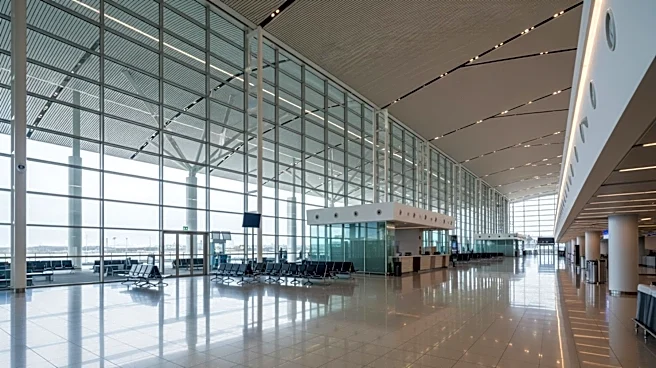
Narita International Airport, located near Tokyo, Japan, has reopened part of its Terminal 1 following a significant upgrade. The renovation, which began in April of the previous year, involved a comprehensive overhaul of the terminal's fifth floor, specifically
the Central Building. This project, costing approximately 2.5 billion yen (US$15.7 million), aimed to enhance the visitor experience by incorporating elements of Japanese culture and seasonal changes. The revamped area, known as Garden Walk, features a stepped viewing platform for unobstructed views of aircraft, footbaths, and a tatami mat relaxation area. The terminal now offers a variety of seating options, including sofas that can accommodate up to 130 people. Narita Airport, recognized for its high-quality service and efficient staff, was recently named the world's best airport for staff service by Skytrax.
Why It's Important?
The reopening of Terminal 1 at Narita International Airport is significant as it reflects Japan's commitment to enhancing its tourism infrastructure and promoting cultural experiences. By integrating traditional Japanese elements into the airport's design, the renovation not only improves the aesthetic appeal but also enriches the travel experience for both domestic and international visitors. This development is crucial for Japan's tourism sector, especially as the country seeks to attract more visitors post-pandemic. The airport's recognition for excellent staff service further solidifies its reputation as a leading global travel hub, potentially boosting passenger traffic and economic activity in the region.
What's Next?
As Narita International Airport continues to enhance its facilities, it is likely to attract more travelers, contributing to Japan's tourism recovery efforts. The airport's focus on cultural integration and high-quality service may set a precedent for other airports aiming to improve passenger experiences. Future developments could include further expansions or upgrades to accommodate increasing passenger numbers and evolving traveler expectations. Additionally, the airport's success may encourage other sectors within Japan's tourism industry to adopt similar strategies, promoting cultural heritage and service excellence.