






What's Happening?
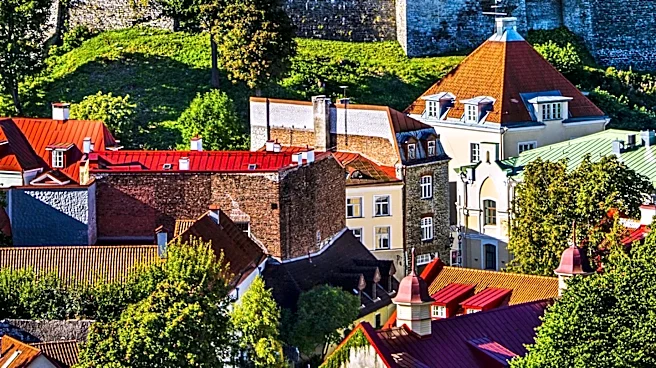
Countries like Croatia and Estonia are offering incentives to attract remote workers, digital entrepreneurs, and retirees. Croatia has introduced a digital nomad residence permit allowing remote workers to live in the country for up to a year. Some municipalities
in Croatia are also providing relocation incentives, such as assistance with home purchases or renovations, to reverse population decline. Estonia, known for its digital infrastructure, is focusing on attracting entrepreneurs and technology workers through initiatives like Startup Estonia and the Startup Visa program. These efforts are part of a broader trend where countries compete to attract location-independent workers who can contribute to local economies.
Why It's Important?
The increasing availability of remote work opportunities is reshaping global migration patterns, with countries actively seeking to attract digital nomads. This trend has significant implications for local economies, as remote workers bring income and investment without competing for local jobs. For the U.S., this could mean a shift in workforce dynamics as more Americans explore living abroad while maintaining their employment. The incentives offered by countries like Croatia and Estonia highlight the growing recognition of remote workers as valuable contributors to economic growth and community revitalization.
What's Next?
As more countries develop policies to attract remote workers, the competition for digital nomads is likely to intensify. This could lead to more innovative and attractive incentives, potentially influencing U.S. policies on remote work and immigration. Additionally, the trend may encourage more Americans to consider international relocation, impacting domestic real estate markets and local economies. The success of these programs will depend on their ability to balance attracting newcomers with maintaining local cultural and economic stability.