








What's Happening?
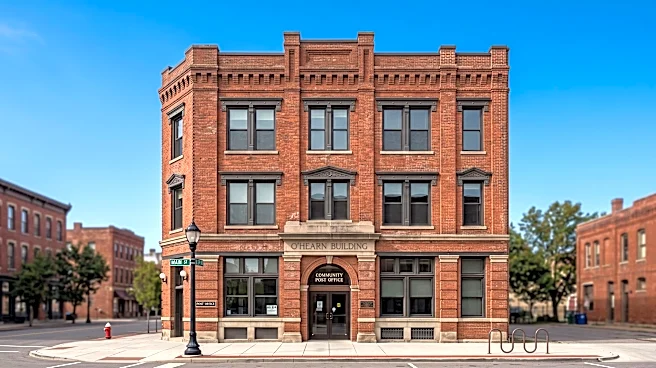
The United States Postal Service (USPS) has successfully secured a lease extension for its Fields Corner Post Office located at 218 Adams Street in Boston, Massachusetts. This development means the post office, which was slated for closure on October
31 due to an expiring lease, will remain open. The USPS had announced its plan to close the facility on September 30, prompting a swift and organized response from local residents and officials in Dorchester. Boston City Councillor John FitzGerald attributed the successful outcome to the active involvement of residents, a strong relationship with Senator Ed Markey’s office, and effective communication with the developer and attorney of the O’Hearn Building. The community's efforts ensured that the post office, considered a vital part of the neighborhood, will continue its operations.
Why It's Important?
The averted closure of the Fields Corner Post Office underscores the significant impact that local postal services have on urban communities and the power of collective action. For many residents, particularly seniors and those without easy access to transportation, the local post office is an essential resource for managing mail, paying bills, and accessing other critical services. Its closure would have disrupted daily routines, increased travel burdens, and potentially isolated vulnerable populations. This incident highlights a recurring challenge for the USPS, which often faces decisions about facility closures due to lease expirations or operational efficiency goals. However, as demonstrated in Fields Corner, these decisions can ignite strong community opposition, emphasizing that post offices are often more than just service points; they are integral components of community infrastructure and social interaction. The successful advocacy effort showcases how local engagement, combined with support from elected officials, can safeguard vital public services.
What's Next?
With the lease extension secured, the Fields Corner Post Office will continue its normal operations. The immediate goal for Boston City Councillor John FitzGerald and other stakeholders is to work towards establishing a long-term lease agreement between the landlord and the USPS. This long-term solution would provide greater stability for the community and prevent future uncertainties regarding the post office's status. The successful outcome in Fields Corner may serve as a model for other urban communities facing similar challenges with their local postal facilities, encouraging residents and officials to actively engage in preserving these essential services. The USPS, while continuing its broader efforts to optimize its network, will likely take into account community impact and local advocacy when making future decisions about facility leases and operations.
Beyond the Headlines
The Fields Corner Post Office saga reveals deeper implications about the role of public spaces and services in fostering community cohesion. Councillor FitzGerald's observation that the post office is part of residents' routine, encouraging them to be socially active and connect with neighbors, highlights its function beyond mere mail processing. It acts as an informal community hub, contributing to the social fabric and local economy, such as supporting nearby businesses like coffee shops. The threat of closure, therefore, was not just about losing a service but about losing a piece of the neighborhood's identity and a facilitator of daily life. This situation also brings to light the ongoing tension between the economic pressures faced by the USPS and its mandate to provide universal service. While the agency must manage its finances, the Fields Corner case illustrates that the social capital and community value generated by local post offices are often intangible and difficult to quantify, yet profoundly important to residents. It reinforces the idea that public services should consider a holistic view of their impact, beyond purely financial metrics.