






What's Happening?
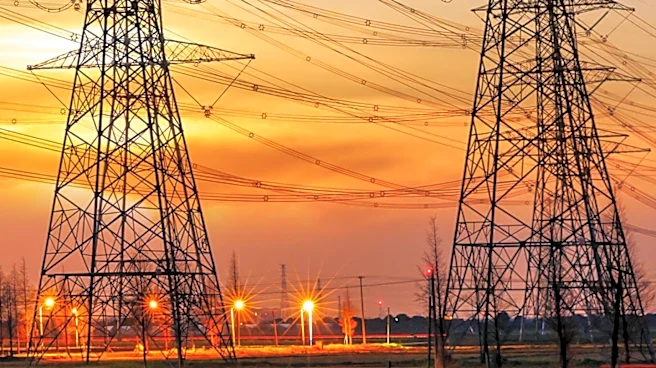
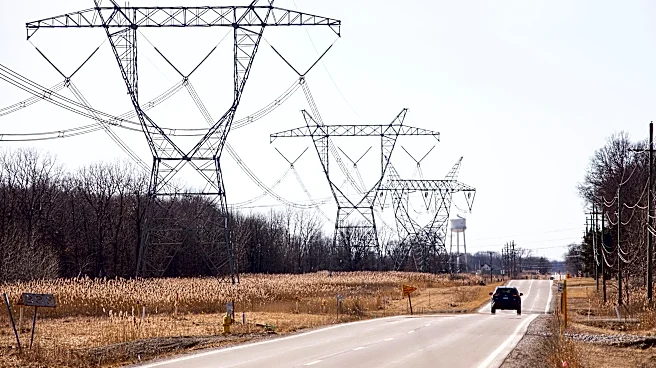
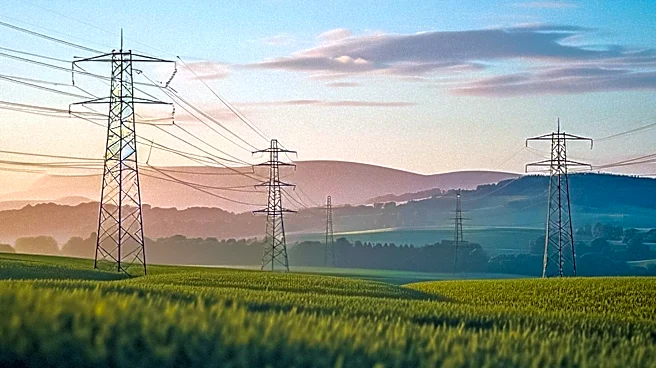
Farmers in Wisconsin are expressing significant concerns regarding the proposed 190-mile BECI Project transmission line, which is slated to run from Crawford to Walworth County. Some of the proposed routes for this project, spearheaded by Midcontinent
Grid Solutions (MGS), would traverse active farmland. Kay Luxton, a local farmer, highlighted her worry that one route would place a transmission line just 50 feet from her cattle, raising fears about the health and safety impacts on her animals and other dairy farmers in the area. While MGS asserts that such lines have existed for over 60 years without negative effects on livestock, citing scientific evidence that low-frequency electromagnetic fields (EMF) pose no increased risk, farmers like Luxton dispute this, pointing to research suggesting potential dangers. The project aims to provide low-cost energy to Wisconsin and the Upper Midwest, but it faces opposition from landowners and some lawmakers. A U.S. Representative from Ohio has introduced a bill to mandate the National Institutes of Health study the effects of 750-kilovolt or greater transmission lines on human and livestock health, as well as crop yields.
Why It's Important?
This situation underscores a growing tension between energy infrastructure development and agricultural interests in the U.S. The expansion of transmission lines, while crucial for delivering affordable and reliable energy, often directly impacts rural communities and their livelihoods. The concerns raised by Wisconsin farmers about the health of their livestock and the safety of their land highlight potential economic repercussions for the agricultural sector, a vital component of the state's economy. If the transmission lines are perceived to negatively affect livestock health or crop yields, it could lead to decreased productivity and financial losses for farmers. Furthermore, the introduction of federal legislation to study the health impacts of high-voltage transmission lines indicates a broader national debate on the environmental and health implications of such projects, potentially influencing future regulatory frameworks and project approvals across the country. The outcome in Wisconsin could set a precedent for how similar conflicts are resolved, balancing energy needs with community and environmental protection.
What's Next?
Midcontinent Grid Solutions will likely continue to address public concerns and provide information regarding the safety and necessity of the BECI Project. The ongoing debate between MGS's scientific claims and the farmers' counter-arguments suggests a need for further dialogue and potentially independent research. The proposed federal bill requiring the National Institutes of Health to study the impacts of high-voltage transmission lines on humans, livestock, and crops could significantly influence the future of such projects. If passed, the study's findings could either validate the concerns of farmers, leading to stricter regulations or alternative routing, or support the claims of energy companies, potentially easing project approvals. Local lawmakers and landowners will continue to engage in the decision-making process, advocating for their interests. The project's timeline and final routes will depend on these ongoing discussions, regulatory reviews, and potential legislative actions, with the goal of balancing energy supply needs with community and environmental considerations.
Beyond the Headlines
The conflict in Wisconsin extends beyond immediate land use and energy supply, touching upon deeper societal questions regarding scientific consensus, public trust, and the balance of power between large infrastructure projects and local communities. The differing interpretations of scientific evidence regarding electromagnetic fields and their effects on health highlight a broader challenge in public discourse where complex scientific issues are often met with skepticism or conflicting information. This situation could lead to increased demands for transparency and independent verification in future infrastructure projects. Moreover, the push for federal studies on transmission line impacts reflects a growing awareness of the long-term, cumulative effects of industrial development on rural landscapes and agricultural practices. It also brings to light the ethical considerations of eminent domain and the rights of landowners when their property is deemed necessary for public utility projects. The resolution of this conflict could influence how similar projects are planned and executed nationwide, potentially fostering more community-inclusive approaches and robust environmental impact assessments.