



What's Happening?
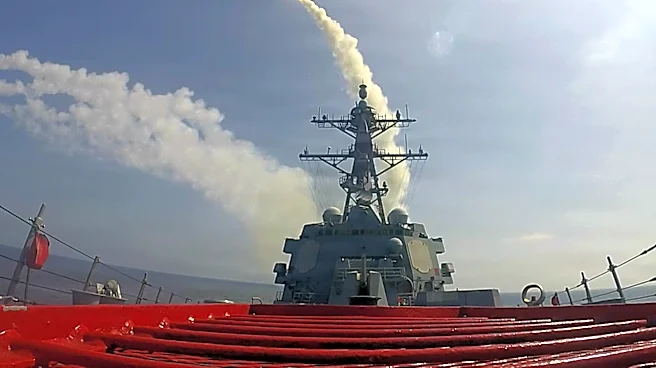
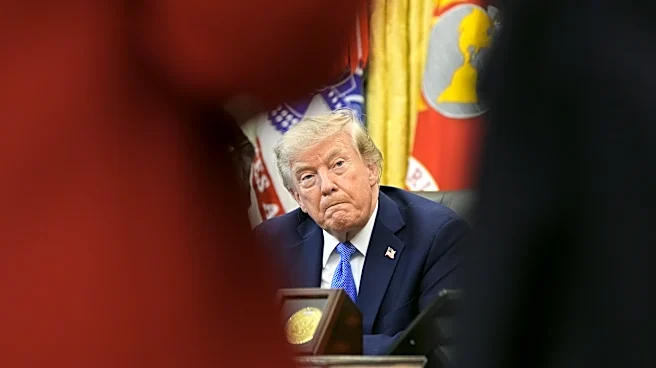
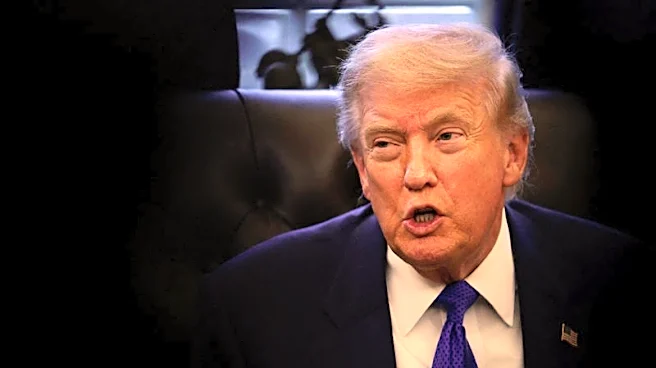
President Trump has dismissed reports of a munitions shortage in the U.S. and denied any confrontation with Defense Secretary Pete Hegseth over the issue. He labeled the reports as 'fake news' and asserted that the U.S. possesses 'massive amounts of munitions.'
Trump emphasized that defense companies are rapidly expanding manufacturing capabilities to meet any demands. The Washington Post had reported that Trump interrogated Hegseth about diminishing weaponry inventories, expressing frustration over unresolved shortages. However, both the White House and Pentagon officials have refuted these claims, affirming confidence in Hegseth's handling of the situation.
Why It's Important?
The denial of munitions shortages by President Trump highlights the administration's stance on military readiness and its efforts to maintain a robust defense posture. The situation underscores the importance of clear communication and transparency in defense matters, as conflicting reports can impact public perception and policy decisions. The administration's response also reflects its broader approach to managing defense resources and addressing potential vulnerabilities. The issue has implications for U.S. foreign policy, particularly in relation to military engagements and diplomatic efforts, as maintaining adequate munitions is crucial for strategic operations.
What's Next?
The administration's denial of munitions shortages may lead to further scrutiny and discussions among lawmakers, defense officials, and industry stakeholders. The request for additional military funding to replenish stockpiles will likely be a focal point in upcoming budget negotiations. The outcome of these discussions will influence the U.S.'s defense strategy and its ability to address potential threats. Stakeholders will need to balance the need for increased funding with other budgetary priorities, ensuring that the U.S. military remains prepared and capable of responding to future challenges.