



What's Happening?
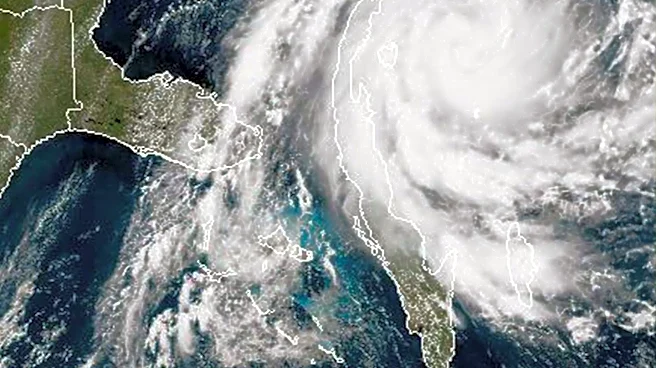
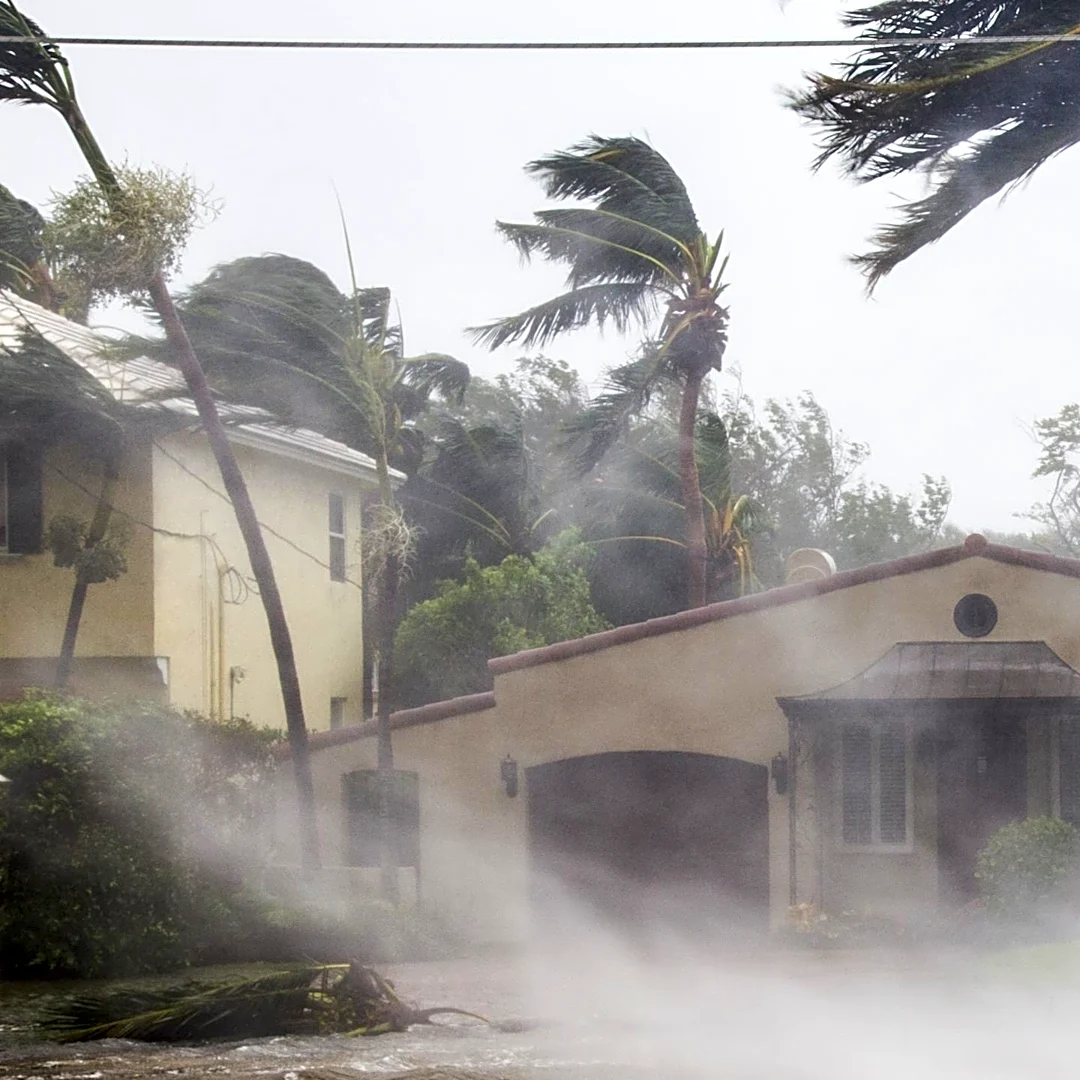
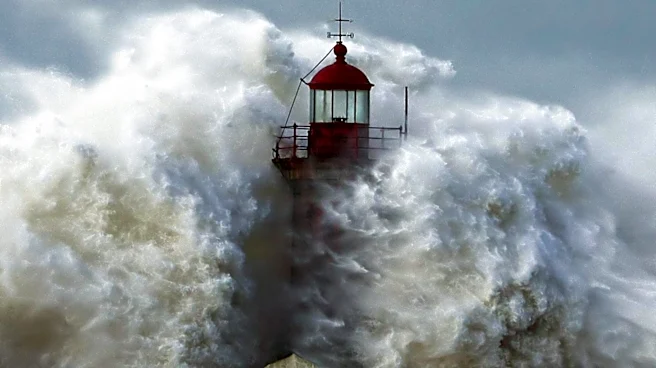
Portugal implemented widespread closures of schools and non-essential public services on Wednesday in anticipation of Storm Charles. The government advised citizens to remain indoors as heavy rain, rough seas, and wind gusts up to 140 kph were expected
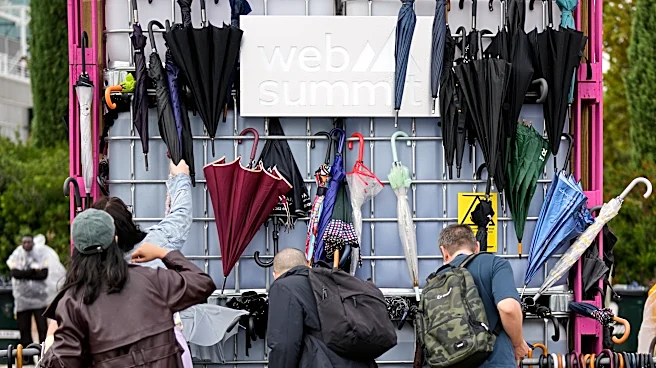
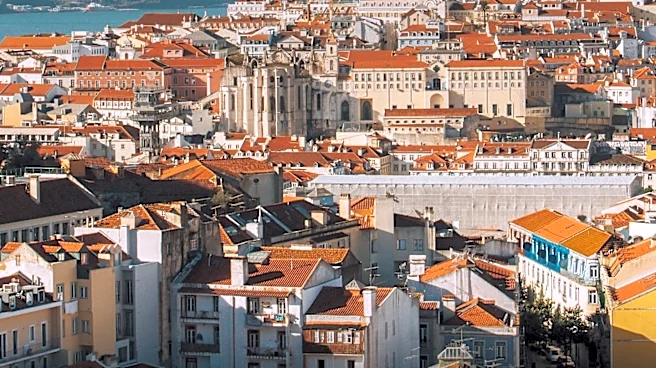
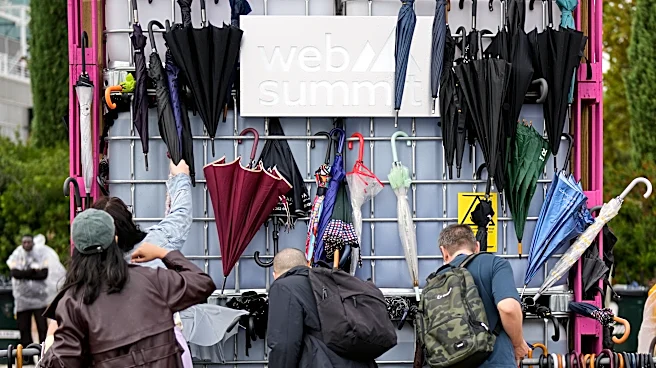
to impact the Portuguese coast. This marks the first time in recorded history that all of Portugal's approximately 8,000 schools have canceled classes nationwide due to a forecasted storm. In Lisbon, the capital, buses operated without passengers, and some streets experienced flooding due to clogged drains. A major national supermarket chain, Pingo Doce, closed all its stores, and an international technology conference, the Web Summit, also canceled its day's events. The government mandated remote work for civil servants, and emergency services, supported by the armed forces, were on high alert.
Why It's Important?
The proactive and comprehensive measures taken by the Portuguese government underscore a growing global awareness and preparedness for severe weather events, which are increasingly linked to climate change. For U.S. industries, particularly those with international operations or supply chains, such widespread closures in a European nation highlight the potential for significant disruptions. Businesses involved in logistics, tourism, and technology, like the Web Summit, face direct economic impacts from such events. The decision to close all schools nationwide reflects a prioritization of public safety and a recognition of the potential severity of modern weather phenomena, setting a precedent for how other nations, including the U.S., might respond to similar threats. This also emphasizes the financial burden on insurance companies and the need for robust disaster preparedness and response mechanisms.
What's Next?
While initial forecasts suggested a severe impact, later reports indicated that Storm Charles lost some intensity, with its trajectory shifting. However, strong winds and intense rainfall are still expected to affect central and northern regions of Portugal. The government will likely assess the effectiveness of its preparedness measures and the economic impact of the closures. This event could inform future disaster response protocols in Portugal and potentially serve as a case study for other countries facing similar climate-related challenges. Businesses will need to evaluate their contingency plans for weather-related disruptions, and insurance providers will continue to monitor claims related to the storm's aftermath.
Beyond the Headlines
This event reflects a broader societal shift towards acknowledging and actively preparing for the impacts of climate change. The unprecedented nationwide school closure signals a departure from traditional responses to weather events, indicating a heightened sense of urgency and risk perception. It also highlights the interconnectedness of global economies, where a storm in one region can disrupt international conferences and supply chains. The incident could contribute to a re-evaluation of urban infrastructure, particularly drainage systems, in major cities like Lisbon, to better withstand increased rainfall. Furthermore, it underscores the psychological impact of climate anxiety, as communities grapple with the increasing frequency and intensity of extreme weather.