






What's Happening?
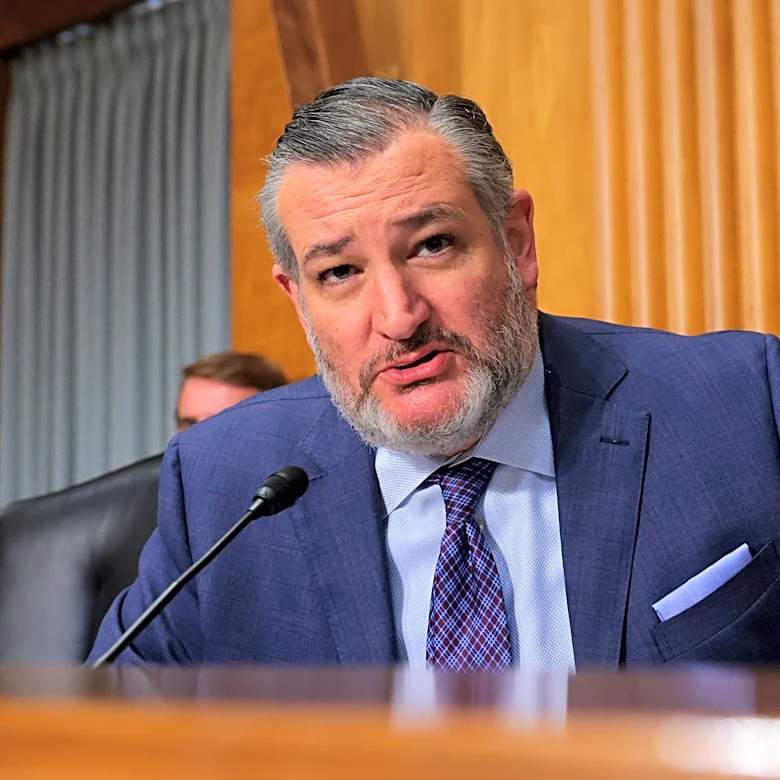
The 1st District of Minnesota, represented by Brad Finstad, has received a total of $401,247,000 in Loan Deficiency payments from 1995 to 2025. This data, compiled by the Environmental Working Group (EWG), details farm subsidy recipients within the district.
The Loan Deficiency program is a type of farm subsidy. The EWG's database provides a comprehensive look at these payments, noting that USDA data for payments made through most cooperatives are not transparent, and recipients' information has not been made public in many cases. The EWG also highlights that in 2019, the USDA began providing information on the entity that received the payment rather than the applicant, which the EWG states further evades taxpayer accountability. Six percent of these subsidy dollars reportedly went to banks, lending institutions, or the Farm Service Agency.
Why It's Important?
The substantial amount of farm subsidies directed to Representative Finstad's district underscores the significant role of government support in the agricultural sector of this region. This level of financial assistance can have a profound impact on the economic stability and operational viability of farms, influencing local economies and the livelihoods of agricultural communities. The lack of transparency in certain subsidy payments, particularly those made through cooperatives, raises questions about accountability and public oversight of taxpayer funds. This issue is critical for ensuring that subsidies are distributed fairly and effectively, and that the public can track how these funds are utilized. The shift in USDA reporting to identify the recipient rather than the applicant also has implications for understanding the ultimate beneficiaries of these programs, potentially obscuring the full picture of who benefits most from agricultural aid.
What's Next?
Continued scrutiny of farm subsidy programs and their distribution is likely, especially concerning transparency and accountability. Advocacy groups like the EWG will likely continue to push for greater disclosure of recipient information, particularly for payments made through cooperatives. Lawmakers and agricultural stakeholders may engage in discussions regarding the structure and oversight of these subsidies to ensure they meet their intended objectives and are distributed equitably. The ongoing debate about the balance between supporting agricultural producers and ensuring taxpayer accountability will remain a key focus in agricultural policy discussions. Future legislative efforts could aim to reform reporting requirements for farm subsidies to enhance transparency.
Beyond the Headlines
The extensive farm subsidies in Representative Finstad's district highlight a broader national discussion about the role of government in supporting the agricultural industry. This financial reliance can create complex dynamics, including potential market distortions and questions about the long-term sustainability of farming without such aid. The issue of transparency in subsidy distribution also touches upon the public's right to know how tax dollars are spent and the potential for special interests to influence policy. Furthermore, the shift in reporting methods by the USDA could be seen as part of a larger trend in government data management, where the balance between privacy, administrative efficiency, and public accountability is constantly being negotiated. This situation underscores the intricate relationship between agricultural policy, economic development, and governmental transparency in the U.S.