

What's Happening?
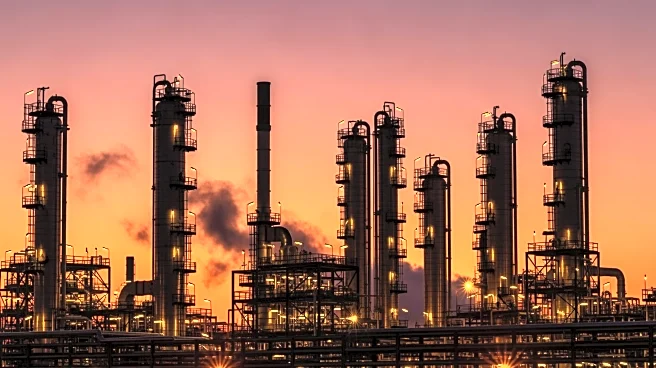
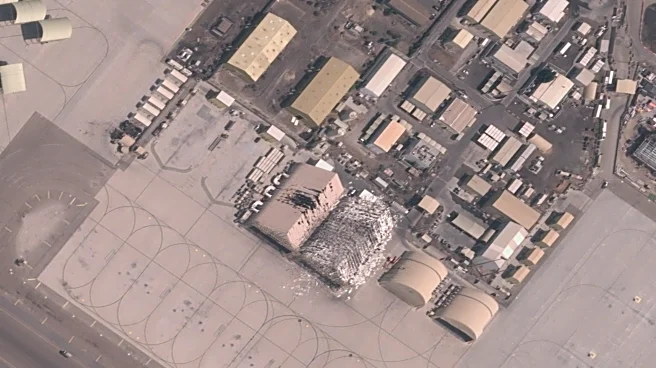
Iranian gas facilities in the Gulf were attacked, leading to a significant escalation in regional tensions. The attacks targeted petrochemical facilities in South Pars and Asaluyeh, causing oil prices to surge, with Brent crude futures rising over 6%
to nearly $110 per barrel. In response, Iran threatened to target energy installations across Saudi Arabia, the UAE, and Qatar. The Qatari foreign ministry condemned the attack as a 'dangerous and irresponsible' escalation, while the UAE emphasized the importance of protecting vital facilities. The attacks have disrupted Iranian gas flows to Iraq, which relies on Iran for a significant portion of its gas and power needs. The situation has raised concerns about potential attacks on alternative export routes, such as Saudi Arabia's Red Sea port of Yanbu, which could further prolong the conflict.
Why It's Important?
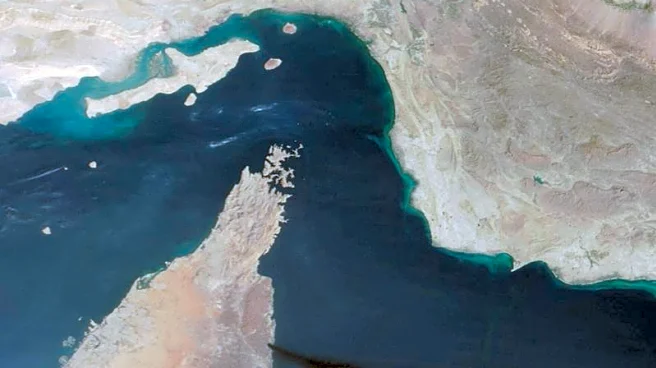
The attacks on Iranian oil facilities have significant implications for global energy security. The Gulf region is a critical hub for oil and gas exports, and disruptions could have far-reaching effects on global energy markets. The potential for further attacks on infrastructure in Saudi Arabia and the UAE could exacerbate supply disruptions, particularly as the Strait of Hormuz remains effectively closed. This situation threatens to keep a substantial portion of global LNG supply offline, impacting energy prices and availability worldwide. The escalation also highlights the geopolitical risks associated with energy infrastructure in the Middle East, which could lead to increased volatility in energy markets and affect global economic stability.
What's Next?
The situation is likely to remain tense, with potential for further military actions and retaliations. Iran's threats to target additional energy installations could lead to more evacuations and disruptions in the region. The international community, particularly countries reliant on Middle Eastern energy exports, will be closely monitoring developments. Diplomatic efforts may be necessary to de-escalate tensions and ensure the security of energy infrastructure. The ongoing conflict could prompt discussions on diversifying energy sources and routes to mitigate risks associated with geopolitical instability in the region.