






What's Happening?
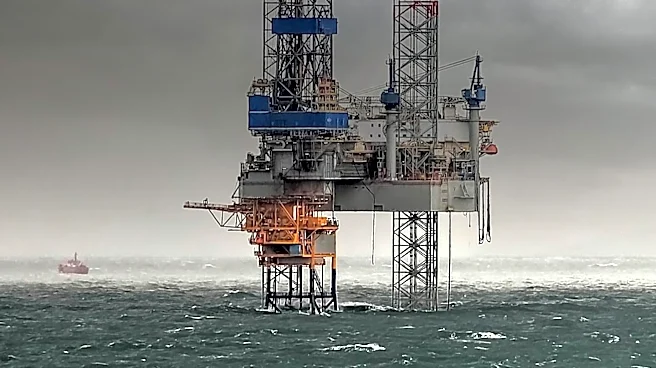
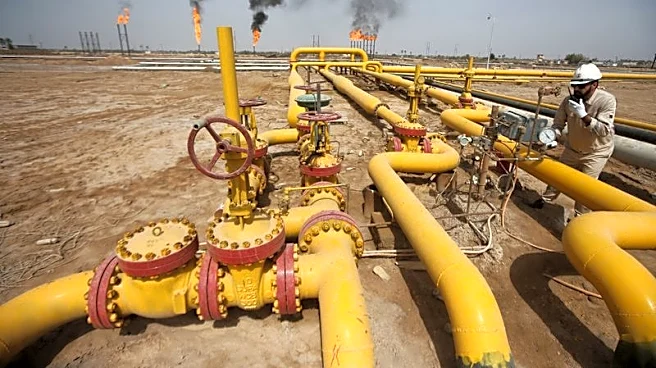
Oilfield services giant SLB is making preparations to reactivate up to 15 drilling rigs in Venezuela. This move is seen as a critical step toward increasing the country's crude oil production, which has significantly declined from its historical peak
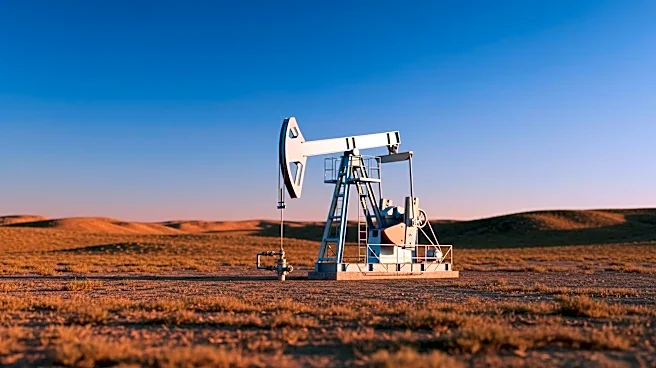
of over 3 million barrels per day. William Antonio, SLB's president for Mexico, Central America, and Venezuela operations, stated that all 15 rigs could be operational within a year, with up to four potentially returning to service before the end of 2026, depending on contracts with producers. Currently, Venezuela has only two active onshore drilling rigs, despite possessing the world's largest proven crude reserves. This initiative by SLB, alongside efforts from other firms like Formentera Partners, aims to address the severe lack of drilling capacity that has hampered Venezuela's oil output.
Why It's Important?
The reactivation of SLB's drilling rigs in Venezuela holds significant implications for global oil markets and U.S. energy policy. An increase in Venezuelan oil production could contribute to global supply, potentially influencing international oil prices and reducing reliance on other sources. For the U.S., this development could offer an alternative to current oil imports and potentially ease geopolitical tensions related to energy supply. However, it also raises questions about the stability of Venezuela's political and economic environment, as major obstacles such as power supply, infrastructure, and contractual protections remain. The cautious approach of other major oil companies like ExxonMobil and ConocoPhillips highlights the ongoing risks. This move could signal a gradual return of foreign investment and expertise to Venezuela's struggling oil sector, but its long-term success will depend on addressing these systemic challenges.
What's Next?
The immediate next steps involve SLB securing contracts with oil producers in Venezuela to deploy the rigs. The company anticipates that up to four rigs could be operational by the end of 2026, with the full complement of 15 rigs potentially active within a year. Success will depend on overcoming logistical challenges related to importing and transporting specialized equipment, ensuring reliable power supply, and navigating the country's regulatory environment. The progress of SLB and other firms like Formentera Partners will be closely watched as an indicator of Venezuela's ability to rebuild its oil industry. The U.S. government and international bodies will also monitor these developments, as increased Venezuelan production could impact sanctions policies and regional stability.
Beyond the Headlines
This development goes beyond mere production numbers, touching on the broader geopolitical and humanitarian context of Venezuela. A revitalized oil sector could provide much-needed revenue for the Venezuelan government, potentially impacting the country's economic crisis and the well-being of its citizens. However, it also raises concerns about how this revenue will be managed and whether it will lead to sustainable development or further entrench existing political structures. The involvement of international oilfield service companies like SLB highlights the complex interplay between global energy demand, corporate interests, and the political realities of resource-rich nations. This situation underscores the long-term challenges of rebuilding a national industry under difficult political and economic conditions, and the ethical considerations for companies operating in such environments.