
What's Happening?
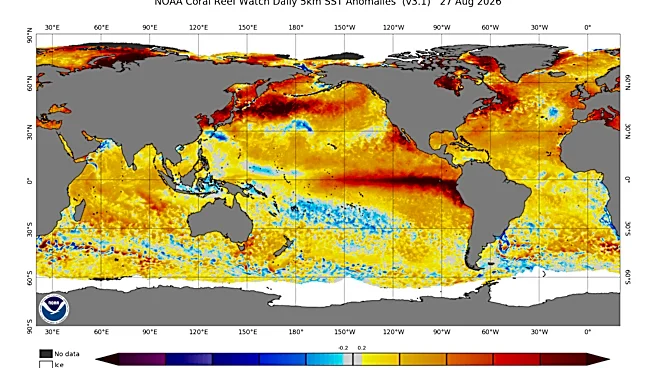
Despite forecasts indicating that this year's El Niño could be one of the strongest on record, its specific impacts on Colorado's upcoming winter weather and snow season remain uncertain. El Niño, a climate pattern originating in the Pacific Ocean characterized
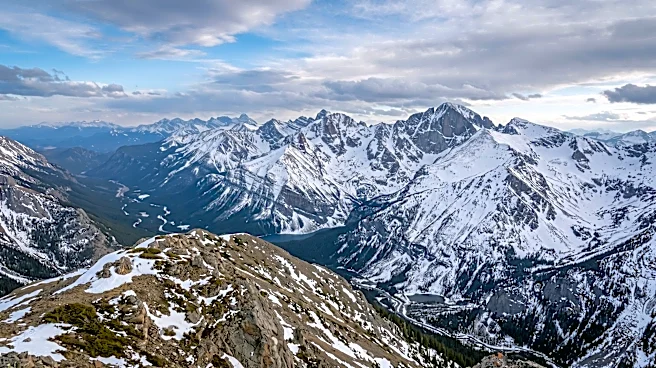
by warmer-than-usual water temperatures, typically influences global weather patterns. However, due to Colorado's inland location and other contributing factors to its weather cycle, climatologists are hesitant to predict a significant increase in snow or relief from the current summer's drought. Peter Goble, Colorado's assistant state climatologist, noted that while El Niño can lead to wetter patterns in parts of Colorado, the strength of the cycle doesn't always correlate directly with peak seasonal snowpack.
Why It's Important?
The uncertainty surrounding Colorado's winter forecast, despite a strong El Niño, has significant implications for various sectors within the state. Agriculture relies heavily on snowpack for irrigation, and a lack of sufficient snow could exacerbate drought conditions, impacting crop yields and livestock. The recreation industry, particularly ski resorts, depends on abundant snowfall for economic vitality. Furthermore, water resource management across the state is critically linked to winter precipitation, as snowmelt replenishes reservoirs and river systems. The 'wait-and-see' situation described by Erin Walter of the National Weather Service highlights the challenges in long-range climate prediction for landlocked regions, even with powerful global climate phenomena at play.
What's Next?
Coloradans will need to closely monitor weather developments as the El Niño cycle progresses, with its peak expected in the winter months. Climate and weather experts will continue to analyze data, looking for specific indicators such as shifts in the jet stream and the formation of slow-moving low-pressure systems that could bring precipitation. While a 'super' El Niño typically suggests a warmer-than-average year globally, its localized effects on Colorado's snowpack and drought conditions will require ongoing assessment. Residents, businesses, and state agencies will need to prepare for a range of potential scenarios, from continued drought to localized heavy snowfall, rather than relying on a single, definitive forecast.
Beyond the Headlines
The nuanced impact of El Niño on Colorado underscores the complexity of regional climate dynamics and the limitations of broad climate predictions. It highlights how local geographical factors can modulate global climate patterns, making precise forecasting challenging. This situation also brings to the forefront the broader issue of climate change, which can interact with natural phenomena like El Niño to produce unpredictable and potentially extreme weather events. The ongoing need for robust climate research and localized forecasting models becomes evident, as communities and industries require increasingly accurate information to adapt to a changing climate and manage critical resources like water.