





What's Happening?
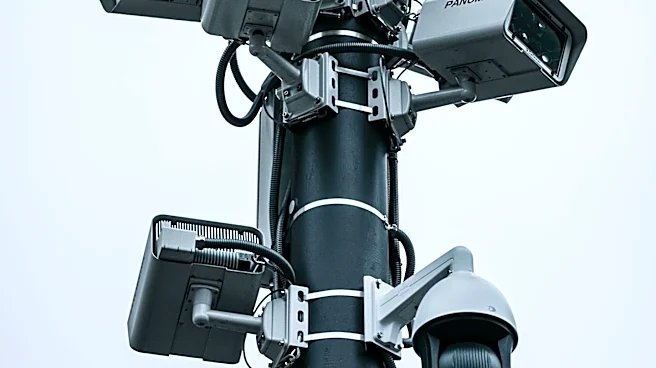
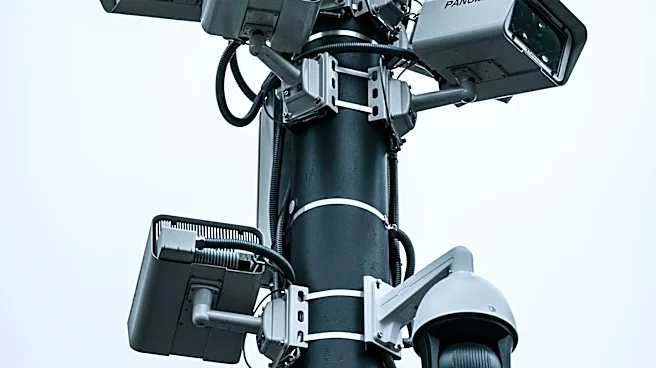
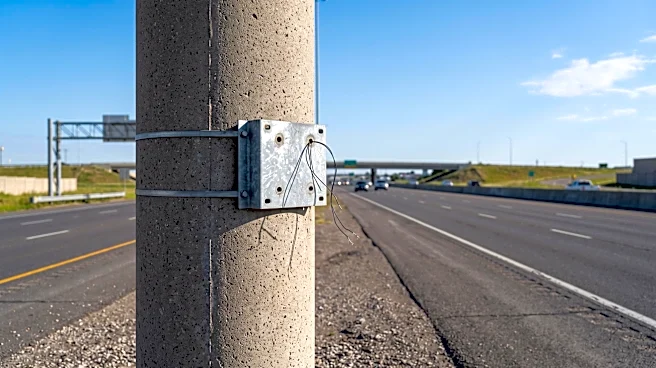
Summit County, Colorado, has decided to maintain its contract with Flock Safety for license plate reader cameras, but with significant changes to how the information will be used. This decision follows a 30-day pause for internal review and community
feedback, prompted by increasing bipartisan scrutiny over privacy concerns surrounding the technology. Summit County Sheriff Jaime FitzSimons announced new policies, including limiting the number and placement of cameras, reducing image retention to seven days (down from 30), and participating only in the Colorado Statewide network for information sharing. Additionally, law enforcement users will now be required to enter a code from their records management system for each search, linking it to a specific case, with overrides for emergencies automatically flagged for review. The company, Flock Safety, will also allow customers to control which offense types outside agencies can search data for, enabling blocks on searches related to immigration enforcement.
Why It's Important?
This development is significant as it reflects a growing tension between public safety initiatives and privacy rights in the U.S. The decision by Summit County to retain Flock cameras, while implementing stricter usage policies, highlights a pragmatic approach to balancing these competing interests. The changes address some of the primary concerns raised by civil liberties advocates, such as data retention periods and the potential for misuse, including unauthorized tracking. The ability for local jurisdictions to block data sharing for specific purposes, like immigration enforcement, also underscores the evolving landscape of data governance and local control over surveillance technologies. This case sets a precedent for how other communities might navigate similar challenges, influencing future policy decisions regarding automated license plate readers and other surveillance tools.
What's Next?
The new policies will be finalized and posted to the Summit County Sheriff’s Office website before the cameras are reactivated. The implementation of mandatory audits by Flock Safety for all its customers by January 1, along with the shortened data retention window and required case-specific search codes, will be closely watched. Critics, including the American Civil Liberties Union, remain skeptical, viewing some changes as insufficient. This ongoing debate will likely lead to further legislative engagement at both state and federal levels as lawmakers grapple with developing comprehensive laws to govern surveillance technology. The actions of Summit County and Flock Safety could influence how other jurisdictions and technology providers adapt to public and legislative pressure regarding privacy and data security.
Beyond the Headlines
The controversy surrounding Flock cameras in Summit County and other Colorado jurisdictions points to a deeper societal struggle over the nature of public space and the extent of government surveillance. The 'warrantless mass surveillance' concerns raised by critics highlight the erosion of privacy in an increasingly monitored world. The potential for these systems to create a comprehensive digital footprint of citizens' movements raises questions about the future of anonymity and freedom of association. Furthermore, the varying responses from different cities—some cutting ties with Flock while others implement stricter controls—illustrates a fragmented approach to regulating these powerful technologies. This fragmentation could lead to a patchwork of laws and policies, creating inconsistencies in privacy protections across the nation and underscoring the urgent need for a unified national strategy on surveillance technology.